SIR Voter Rolls Shrink by Up to 13.24% in Five Poll-Bound States: UP Loses 2.04 Crore Voters
After the Special Intensive Revision, voter numbers fell by up to 13.24% across UP, Uttarakhand, Goa, Punjab and Manipur — a combined 2.29 crore fewer electors, official data shows.
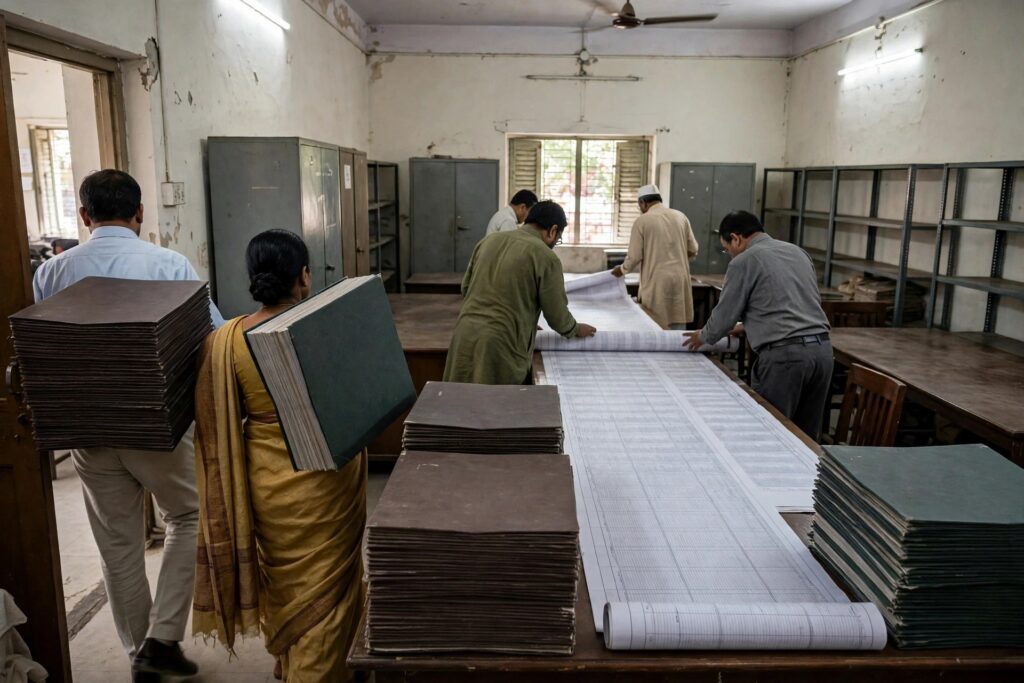
India’s voter lists in five states that vote early next year are dramatically smaller than they were a few months ago. After the Special Intensive Revision (SIR) of electoral rolls, the combined electorate of Uttar Pradesh, Uttarakhand, Goa, Punjab and Manipur has shrunk by about 2.29 crore voters — and Uttar Pradesh alone accounts for nearly 90 per cent of the fall.
Highlights
- Five-state total: electorate down from about 18.71 crore to 16.43 crore after SIR — a net reduction of around 2.29 crore, about 12.2%.
- Steepest fall: Uttar Pradesh, down 13.24% (15.44 crore → 13.40 crore), a net loss of about 2.04 crore.
- Other states: Goa −10.76%, Uttarakhand −10.07%, Punjab −6.34%, Manipur −6.33%.
- Draft vs final: millions of names cut in draft rolls were partly restored in final rolls everywhere except Goa, where the final roll is smaller than the draft.
- Timing: all five states are due assembly polls early next year.
The five-state picture
The number of voters across Uttar Pradesh, Uttarakhand, Goa, Punjab and Manipur came down by up to 13.24 per cent after the completion of the Special Intensive Revision of the voter list, according to data made public by the Election Commission and state chief electoral officers The Tribune reported on 2 November. Across the five states, the electorate shrank from about 18.71 crore to 16.43 crore — a net reduction of around 2.29 crore, or about 12.2 per cent The Assam Tribune reported on 2 November, citing the same official data. The five states will go to assembly polls early next year.
State by state: where the names went
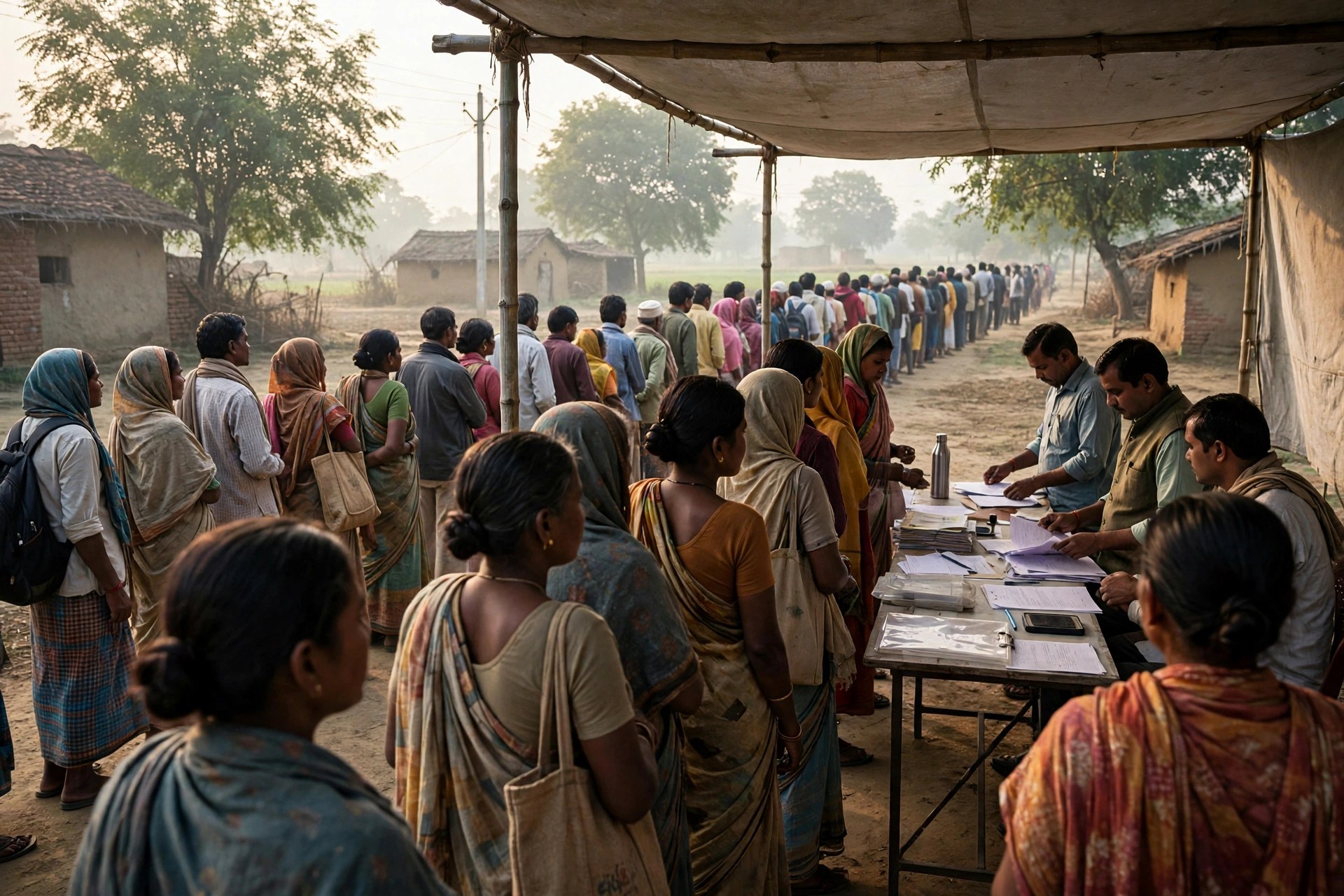
Uttar Pradesh dominates the story. In UP, which went through SIR in phase II, electors fell from 15.44 crore before the revision to 12.56 crore in the draft roll, before recovering to 13.40 crore in the final rolls — a net loss of around 2.04 crore, or 13.24 per cent, the steepest among the five states The Economic Times reported on 2 November. About 2.89 crore names had been removed in UP’s draft roll, and roughly 84 lakh of those — about 29 per cent — were restored in the final roll News24 reported on 2 November, citing Election Commission data via PTI.
Punjab (phase III) fell from 2.15 crore to 1.94 crore in the draft, then rose to 2.01 crore in the final roll — a net loss of about 0.14 crore, or 6.34 per cent, with the highest restoration rate of the five: about 7 lakh of the nearly 21 lakh draft exclusions, around 34 per cent, were added back News24 reported. Uttarakhand (phase III) went from 0.80 crore to 0.71 crore in the draft and ended at 0.72 crore — a net loss of about 0.08 crore, or 10.07 per cent, with only about 25,000 of roughly 9 lakh draft exclusions restored The Tribune reported.
Manipur (phase III) moved from 0.209 crore to 0.193 crore in the draft and ended at 0.196 crore — a net loss of about 0.013 crore, or 6.33 per cent The Assam Tribune reported. The revision lands in a state already strained by the violence covered in Titans Infos’ report on fresh ethnic violence in Manipur, where who is on the roll — and who has been displaced from it — carries extra weight. Goa (phase II) is the outlier: its roll fell from 0.1185 crore to 0.1085 crore in the draft and then fell further, to 0.1058 crore in the final roll — a net loss of nearly 0.013 crore, or 10.76 per cent, making Goa the only one of the five where the final roll is smaller than the draft, with no net restoration The Tribune reported.
What the numbers do — and do not — prove
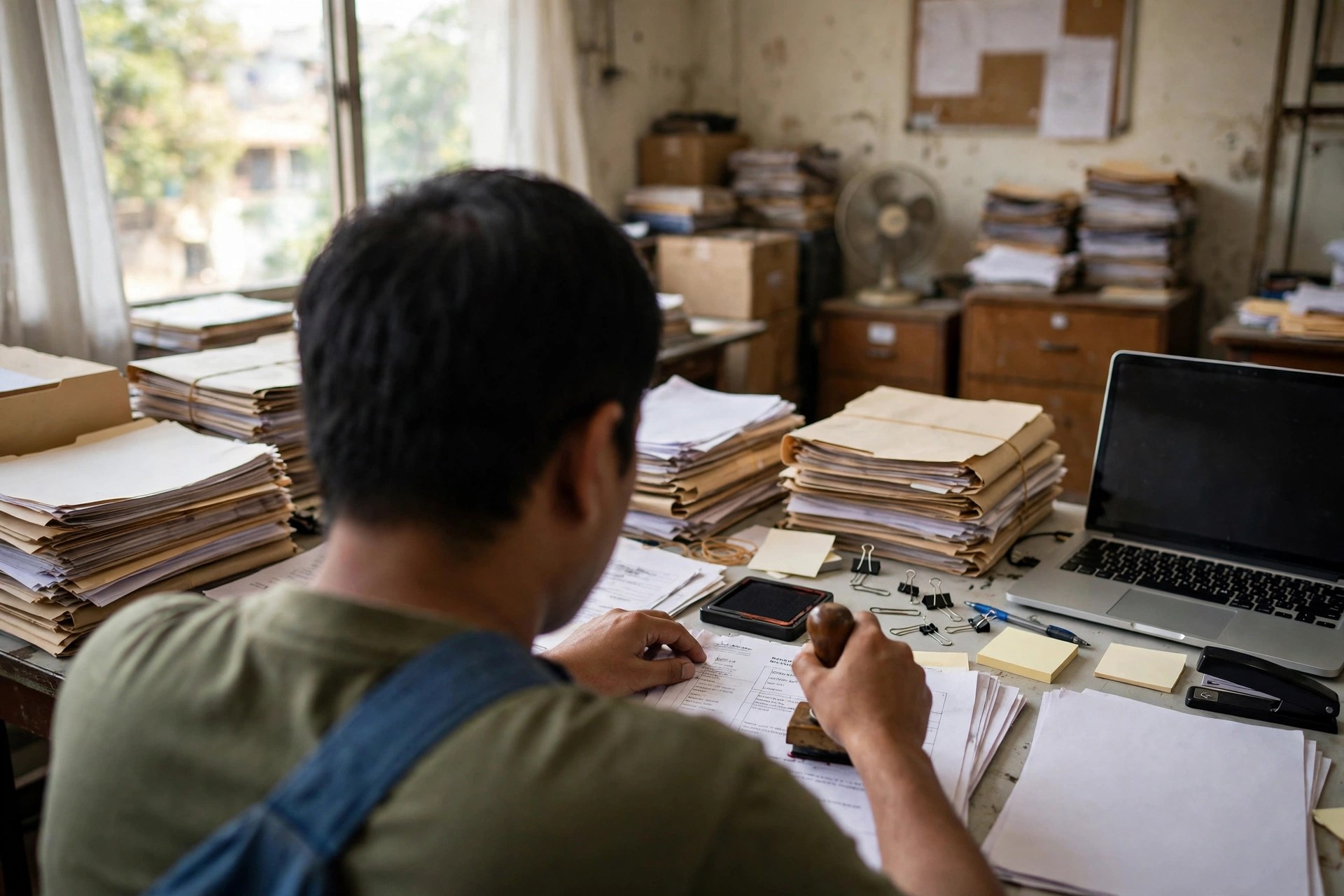
Two readings of the same data are already colliding. The revision’s defenders point to the draft-to-final restorations — 84 lakh names back in UP, a third of Punjab’s exclusions reversed — as proof the process corrects itself. Its critics point to the net figures: even after restoration, roughly one voter in eight has disappeared from these five rolls months before polling. The data itself, as published, does not say how many deletions were duplicates, deaths or migrations, and how many were eligible voters wrongly removed; that breakdown is what would settle the argument, and it has not been published with these totals.
The political fight is already national. The opposition’s campaign over the rolls is the same one that brought the INDIA Bloc’s ‘Chalo Delhi’ rally to Ramlila Maidan with a demand for the Chief Election Commissioner’s resignation, and the Election Commission has noted, while ordering special summary revision in 17 more states, that assembly polls in these five could be held “early next year” The Assam Tribune reported. Those summary revisions are meant to add back left-out voters and young people turning 18 by 1 January — which means the final electorate that actually votes may yet look different from the post-SIR snapshot published this week.