US Strikes Iran’s Qeshm Island Ahead of Midterms as Peace Deal Hopes Build
US forces struck Iran's Qeshm Island before the midterms while indirect US–Iran contacts continued and Tehran's billboards threatened Trump, headline reports say.
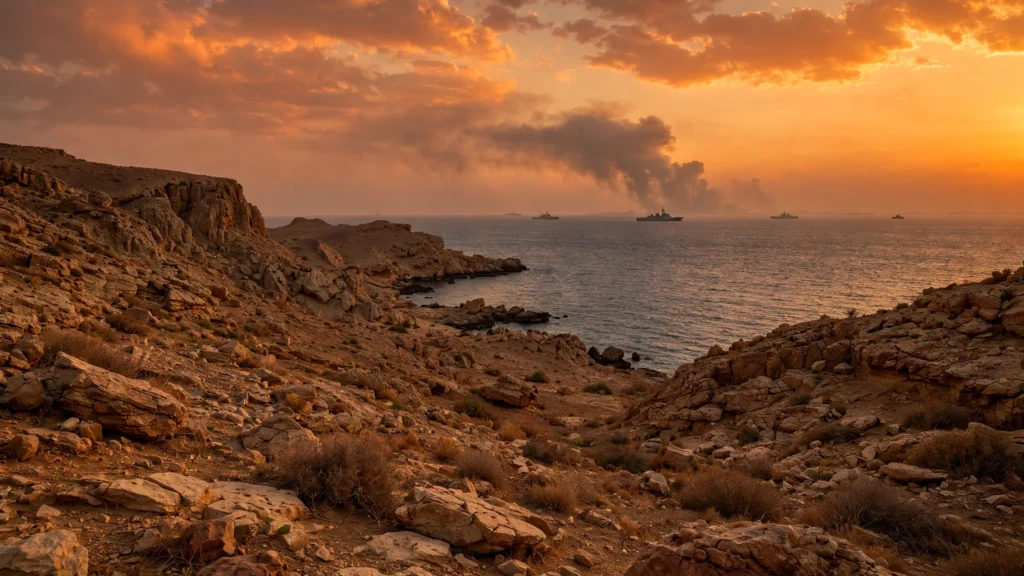
The United States carried out strikes on Iran’s Qeshm Island ahead of the midterm elections, according to headline reports on 4 November 2026 — even as hopes of a US–Iran peace deal were building and indirect diplomatic contacts continued. NDTV’s 4 November headlines listed “US Strikes Iran’s Qeshm Island Before Midterms, Amid Netanyahu’s Attack Call” among the day’s top international stories, and Edex Live reported that American forces struck Iranian military positions on Qeshm Island, raising concerns about further escalation in West Asia.
Highlights
- US strikes targeted Iran’s Qeshm Island, in the Strait of Hormuz, ahead of the US midterms.
- President Trump said an Iran deal “could happen”, according to NDTV’s headlines.
- Iran displayed large billboards in Tehran threatening Trump, even as peace hopes built.
- Indirect diplomatic contacts are continuing, Iran’s foreign minister Abbas Araghchi confirmed.
- Oil prices slid as markets anticipated a possible US–Iran breakthrough.
The timing mattered. The strikes landed just before American voters went to the polls, in a conflict that has repeatedly driven fuel prices and shipping risk through the Strait of Hormuz — the same chokepoint where a Pakistan LNG cargo was attacked near Hormuz hours after Iran cleared its passage. Times Now’s headlines added that Israel denied a role in the Iran strikes as Trump targeted Qeshm Island, and its round-up also carried a claim attributed to state media that three US drones were downed — a claim presented there as a claim, not a confirmed fact.

Threats on billboards, talks behind the scenes
Iran displayed large billboards in Tehran threatening US President Donald Trump, even as hopes of a US–Iran peace deal build, according to the Jagran Josh headlines for 4 November. Behind the public threats, officials indicated that indirect discussions were taking place through mediators to prevent further military confrontation, and Iran’s Foreign Minister Abbas Araghchi confirmed that diplomatic contacts were continuing, Edex Live reported. That two-track picture matches the pattern seen in the Iran–US Doha talks, which entered a third day alongside warnings that a new war could last longer.

Why markets are watching
Oil prices slid as markets anticipated a possible US–Iran breakthrough, Jagran Josh reported, with Brent crude easing on hopes of a deal and easier sanctions. For energy-importing countries, any credible move towards a settlement would lower the risk premium that has hung over Hormuz shipping for months. But the Qeshm strikes show how quickly the military track can overtake the diplomatic one: a single night of bombing can reset expectations, raise insurance costs and push prices back up. Readers should treat both tracks as live — the deal talk is real but unconfirmed, and the strikes are reported by multiple headline services while fuller official details were still emerging.
Public reactions
Public reaction, as reflected in the day’s coverage, split along the same two tracks: hardline messaging in Tehran’s streets on one side, and market relief at the prospect of a breakthrough on the other. No verified casualty figures for the Qeshm strikes were carried in the sources used for this article, and none are reported here.