Pakistan’s Electric Two- and Three-Wheeler Production Triples as Auto Policy Waits for IMF Review
Pakistan produced 210,268 electric two- and three-wheelers in FY2025-26, triple the year before, the EDB told a Senate panel — while the auto policy 2025-30 awaits Finance and IMF review.
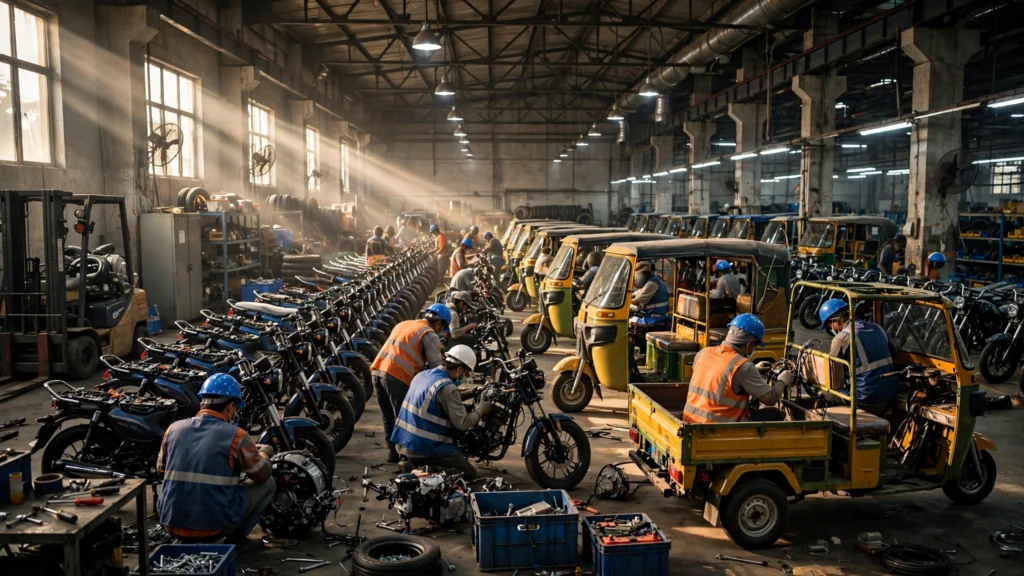
Pakistan’s electric two- and three-wheeler production has tripled in a year, a parliamentary panel was told, even as lawmakers warned that charging infrastructure and the long-awaited auto policy are lagging far behind the vehicles themselves.
Highlights
- Electric two/three-wheeler production tripled to 210,268 in FY2025-26, from 59,756 a year earlier — EDB
- New auto policy 2025-30 not yet finalised; draft to go to Finance, then IMF review
- NEV policy targets 30% of new vehicle sales by 2030
- Government aims for 3,000 charging stations at a Rs40 per unit tariff
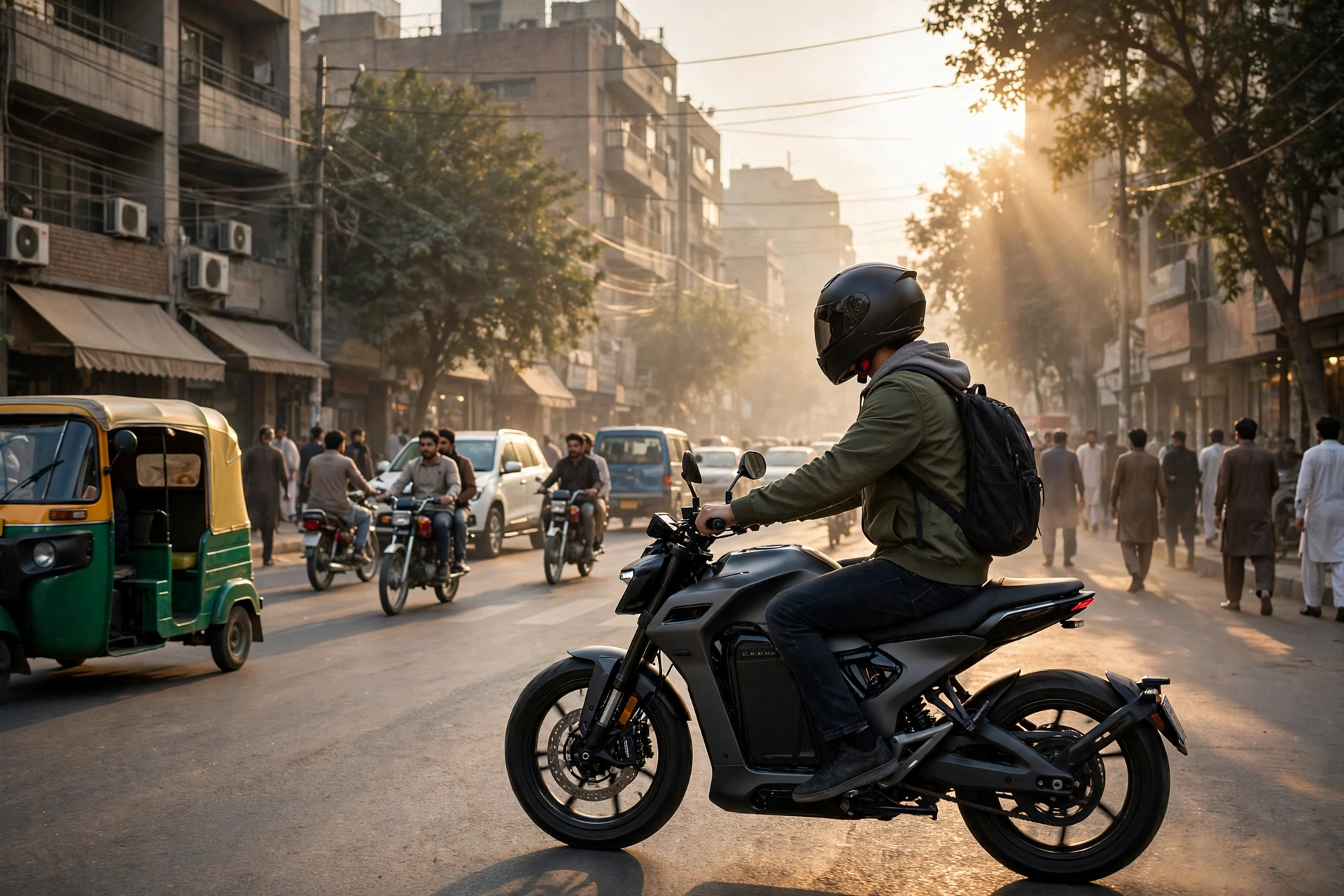
Officials of the Engineering Development Board (EDB) informed the panel that local production of electric two- and three-wheelers has tripled, with Pakistan producing 210,268 units in fiscal year 2025-26, up from 59,756 a year earlier (Business Recorder, 4 Nov 2026). Production has risen steadily from 7,345 units in 2021-22, 14,995 in 2022-23 and 21,551 in 2023-24, the EDB data showed (Business Recorder, 4 Nov 2026).
Auto policy still not finalised
A parliamentary panel was informed that the new auto policy 2025-30 has not yet been finalised, and the Ministry of Industries and Production is set to forward the draft policy to the Ministry of Finance, which would share it with the IMF for review (Business Recorder, 4 Nov 2026). The briefing was given to the Senate Standing Committee on Industries and Production, which met under the chairmanship of Saleem Mandwiwala (Business Recorder, 4 Nov 2026).
Pakistan’s New Energy Vehicle (NEV) Policy 2025-30 aims for new energy vehicles to account for 30 percent of new vehicle sales by 2030 (Business Recorder, 4 Nov 2026). More than 85 companies have licences to assemble or manufacture electric two- and three-wheelers in Pakistan, with cumulative local production capacity of electric motorcycles exceeding 290,000 units (Business Recorder, 4 Nov 2026).
“Globally, infrastructure is developed first, and then vehicles are manufactured. In Pakistan, we are doing the opposite.” — Senator Anusha Rehman (Business Recorder, 4 Nov 2026)
The charging gap
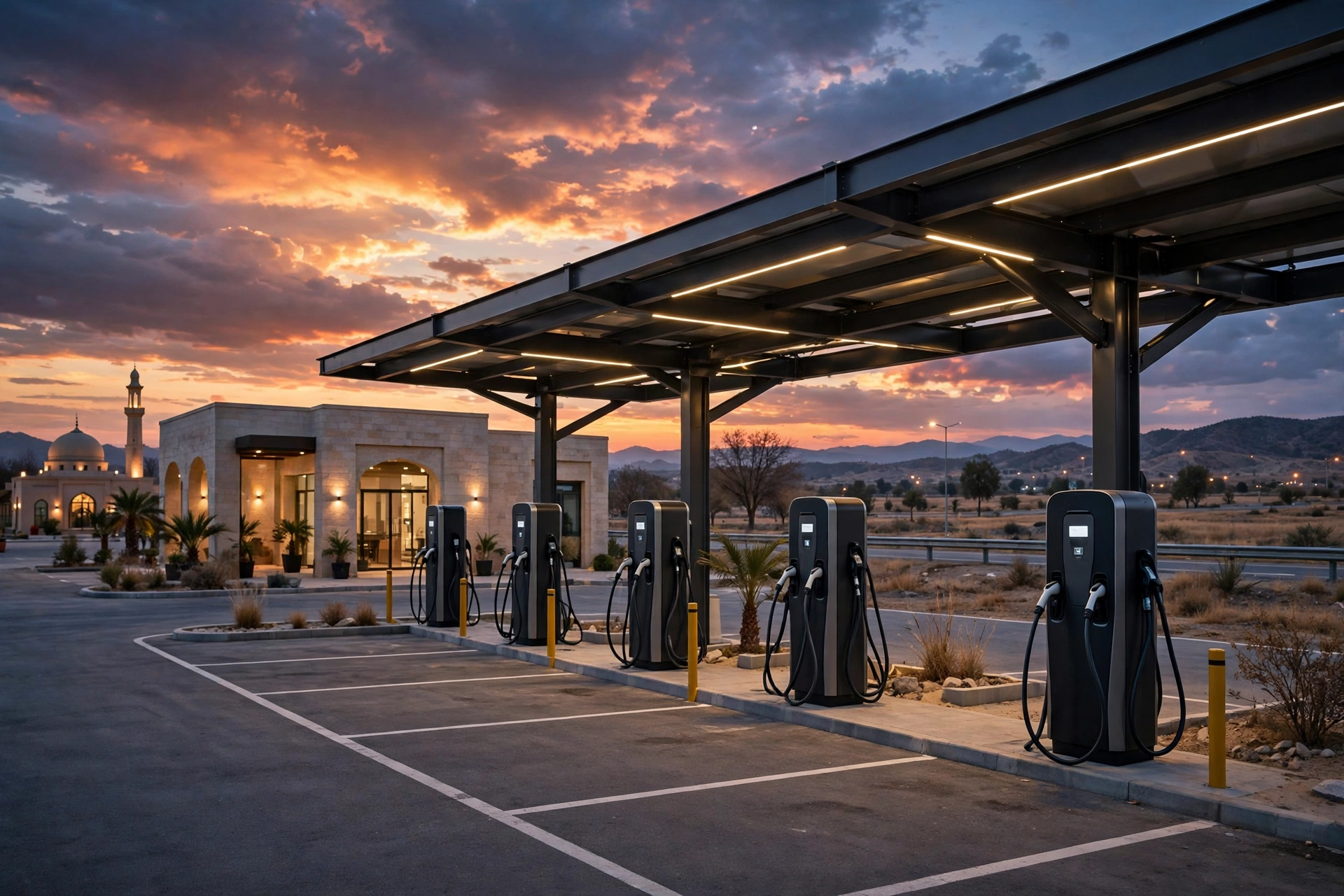
An EDB official said the government aimed to establish at least 3,000 charging stations nationwide and had negotiated a discounted electricity tariff of 40 rupees per unit for charging facilities (Business Recorder, 4 Nov 2026). However, the EDB failed to give a definitive count of operational public charging points in the country (Business Recorder, 4 Nov 2026).
The financing and urban-infrastructure side of this transition is also moving — compare the private sector turning a net borrower with Rs87 billion in bank loans and the World Bank’s $150 million plan to boost Karachi property tax collection, which could shape how cities fund new infrastructure.