Iran-US on a Knife Edge: Doha Talks Continue as Khamenei Orders an Unrestricted Response to Any Attack
Diplomacy is in overdrive: Iranian negotiators met Qatari mediators in Doha on Saturday, Trump has not yet decided on new strikes, and Khamenei has ordered the armed forces to answer any attack without geographical limits.

Highlights
- Iranian negotiators held talks in Doha with Qatari mediators on Saturday 31 October, after more than 12 hours of talks in Tehran on Friday
- US Secretary of State Marco Rubio said President Trump has not decided on new strikes against Iran but would prefer a diplomatic solution
- Supreme Leader Ayatollah Mojtaba Khamenei ordered the armed forces to meet any threat with an immediate, impactful and geographically unrestricted response
- Iran’s security chief Mohsen Rezaei said Tehran is debating whether to lift its longstanding ban on nuclear weapons, though no decision has been taken
- A Qatari seven-day trust-building proposal was deemed unsatisfactory by Tehran, while Iran’s own seven-day plan has so far been rejected by Trump
NEW DEVELOPMENT: Doha talks as the midterm clock ticks
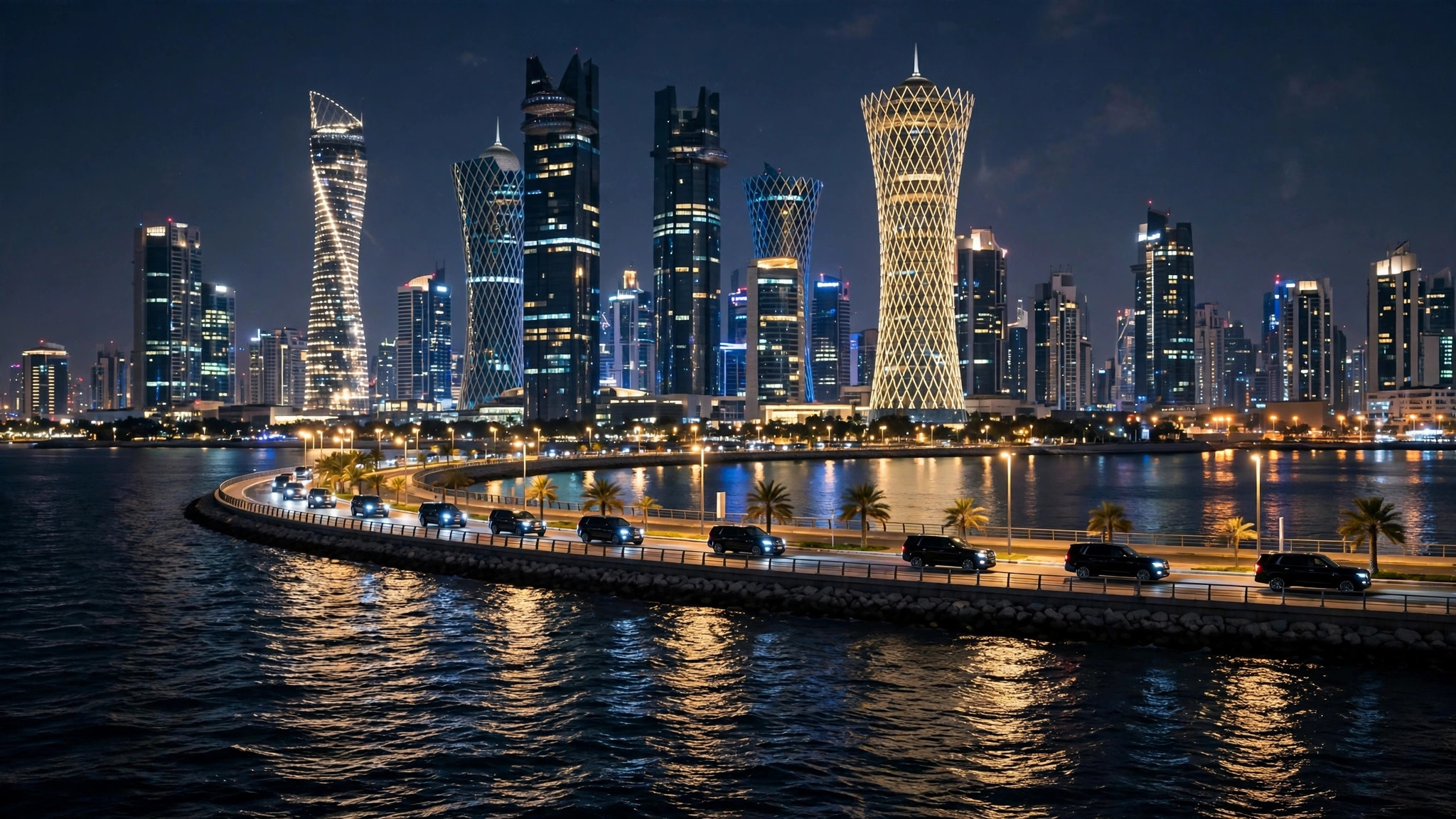
Iranian negotiators held talks in Doha with Qatari mediators on Saturday to discuss paths out of war in the Gulf, a source briefed on the negotiations told Reuters, as diplomats try to avert new fighting after the US midterm elections this week Tribune. Saturday’s talks in the Qatari capital followed more than 12 hours of discussions on Friday between Iranian and Qatari envoys in Tehran, and the source said the talks were being coordinated in regular contacts with Washington Tribune.
This is a genuinely new step beyond the mediation efforts reported earlier: direct Qatari-mediated negotiation is now running in parallel with public warnings from both sides, and the timing matters. US President Donald Trump has held off on strikes on Iran in recent weeks ahead of midterm elections that will determine whether his Republican Party retains its thin majorities in both houses of Congress Tribune. Countries in the region have been anticipating that Trump could restart attacks once the voting is over, and Iran has repeatedly said it would respond to any new attacks by striking at US and Israeli targets in neighbouring countries Tribune.
Rubio: no decision yet, diplomacy preferred
US Secretary of State Marco Rubio said on Saturday that President Trump has not decided whether to launch new strikes against Iran, but would prefer to resolve the conflict diplomatically Tribune. Rubio, who was hosting foreign ministers of the G20 major economies in Atlanta, declined to set a timeframe for the talks in Qatar but said direct and indirect contacts with Iran were under way, adding that “there are multiple talks” and that “talks have actually never stopped” Tribune.
Rubio also conveyed Trump’s confidence in the military option, saying the president would prefer to solve the crisis diplomatically but believed that if military action were needed, the United States would have the ability to carry it out Tribune. The Hindu’s account of the same Atlanta press conference reports Rubio saying Trump “hasn’t made a decision” on further military action and adding: “I have no announcement in that regard with you today, and nor do we take any of it lightly” The Hindu.
Separately, the Wall Street Journal reported that Trump spoke by phone with Israeli Prime Minister Benjamin Netanyahu on Saturday after discussing options for resuming military operations with senior military commanders, according to the Jerusalem Post’s account of the report Jerusalem Post. That call is reported, not officially confirmed, and it sits alongside — not instead of — the diplomatic track: Israeli defence assessments cited in the same report say the White House will not order an operation before the midterms unless it detects preparations for a surprise attack Jerusalem Post.

Khamenei’s warning: no geographical limits
Iran’s Supreme Leader Ayatollah Mojtaba Khamenei issued a statement on Saturday ordering the armed forces to be prepared to respond to any attacks, and the Iranian military later announced it was taking steps to improve its readiness Tribune.
Any level or type of threat must be met with an immediate, impactful, and geographically unrestricted response.
Khamenei said senior commanders had reported high readiness along the Gulf coast, in and around the Strait of Hormuz and Gulf of Oman, and on Iran’s northwestern and southeastern borders Tribune. The wording matters: “geographically unrestricted” is a deliberate signal that Iran’s threatened retaliation would not be confined to the immediate theatre of any strike.
Iran’s influential security chief Mohsen Rezaei said Tehran was debating whether to lift its longstanding ban on nuclear weapons should hostilities resume, although he said no such decision had been taken, and added that there could be no talks on Iran’s nuclear programme unless Washington accepted Iran’s demands Tribune.
The two seven-day plans that do not yet meet
In the latest Qatari-mediated discussions, the Qataris brought a proposal to Tehran a week ago for a seven-day plan, under which the US and Iran would take daily steps to build trust ahead of broader peace talks, the source briefed on the negotiations said — but a senior Iranian official told Reuters on Friday that this proposal was not deemed satisfactory by Tehran Tribune.
Iran has been proposing its own seven-day plan since September, so far rejected by Trump. That plan calls for Washington to lift a blockade of Iranian ports, unfreeze assets and approve an Iranian-backed route through the Strait of Hormuz, after which the contested strait would be reopened Tribune. Foreign Minister Abbas Araqchi said in remarks reported by Al Jazeera on Saturday that Iran was studying a letter sent earlier in the week by US Vice President JD Vance to security chief Rezaei, and said the Iranian plan was the only proposal on the table to reopen the strait Tribune. Trump has played the Vance letter down, saying he approved it only to discuss the possibility of letting more medical supplies into Iran Tribune.
Diplomatic reaction: de-escalation urged
EU foreign policy chief Kaja Kallas said on Thursday that the EU was calling for a diplomatic solution, adding that escalation does not benefit anyone The Hindu. That message captures the position of most regional and European governments: the window between the midterms and any decision on strikes is short, and the diplomacy in Doha is the main channel still open.
What happens next
The sequence to watch is now clear. First, the US midterm vote on 3 November removes the political reason Trump has held off strikes. Second, the Doha channel must produce something both sides can accept — so far the two seven-day plans do not overlap. Third, any strike would test Khamenei’s “geographically unrestricted” warning against the reality of US and Israeli defences in the region. Until one of those three things moves, the Gulf stays in the strange position it is in today: talks and threats running at full speed at the same time.