
Pakistan Lost $40 Billion Since Trade With India Was Halted, Report Says
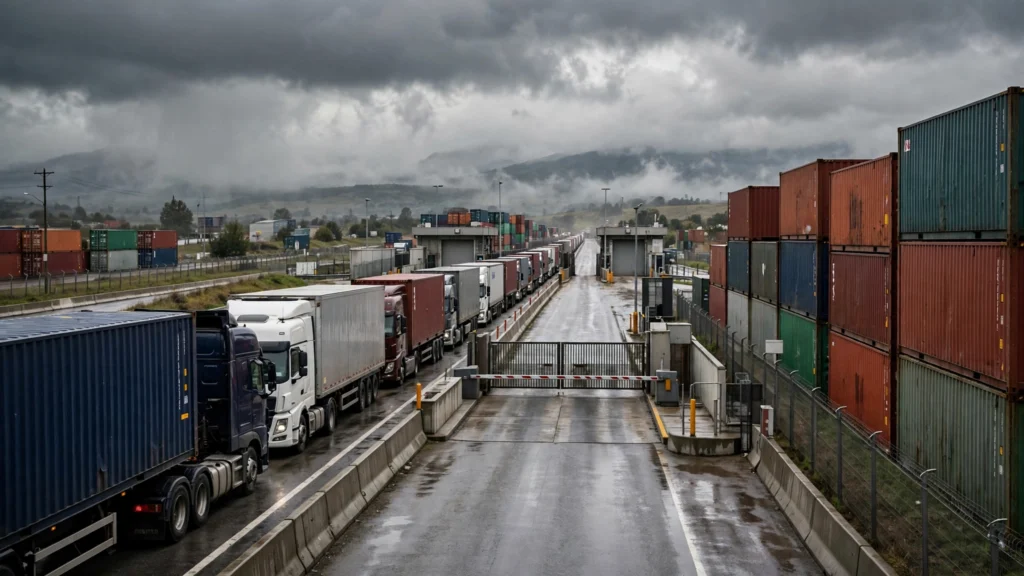
A report says Pakistan lost $40 billion since trade with India was halted, according to NDTV’s 4 November headlines round-up. The figure is attributed to the report.
Highlights
- A report says Pakistan lost $40 billion since trade with India was halted, as carried in NDTV’s 4 November headlines.
- The figure is attributed to that report — this article does not add authors, methodology or extra figures not in the source.
- Bilateral trade suspension affects importers, exporters and consumers on both sides in general terms.
A report says Pakistan lost $40 billion since trade with India was halted, according to the headline carried in NDTV’s school assembly headlines for 4 November 2026, which lists the item as: “Pakistan Lost $40 Billion Since Trade With India Was Halted: Report”.
That attribution matters. NDTV’s round-up, as published, gives the headline figure and attributes it to a report, but the round-up text itself does not name the report’s authors or set out its methodology in the excerpt carried there. This article therefore reports the $40 billion figure exactly as attributed, and does not invent additional breakdowns, years, sectors or calculations that are not in that source.
What a bilateral trade halt means in general terms
When two neighbouring countries suspend formal trade, the effects are usually felt in several ordinary ways. Businesses that bought raw materials, components or finished goods across the border must find other suppliers, often at higher transport cost. Exporters lose a nearby market and must ship farther. Consumers can face higher prices or less choice for goods that previously moved a short distance.

Informal or third-country routes sometimes replace part of the direct flow, but they typically add middlemen, time and cost. That is a general feature of trade suspensions worldwide, not a specific claim about the unnamed report’s findings, and readers should keep that distinction clear.
The domestic financial backdrop also matters for how such losses are absorbed. Our coverage of how Pakistan’s private sector turned net borrower, taking Rs87 billion from banks, shows businesses leaning more on bank credit — a reminder that higher input costs land on firms that are already borrowing to operate.
Why neighbours’ trade is different
Geography is an economic advantage that is hard to replace. Short road and rail distances lower freight bills, shorten delivery times and make perishable or bulky goods viable to trade. When that route closes, the same goods may still be available from farther away, but the landed cost changes. Over years, those small differences compound across thousands of transactions — which is the broad context in which a cumulative multi-billion-dollar estimate should be understood, without treating the headline figure as an audited account.
Regional comparisons also help. India’s own tax and trade systems have been changing at the same time, as seen in our explainer on GST 2.0 and its two-slab structure — a reminder that both economies have been adjusting their rules while direct trade between them remained halted.
What to watch next
The key questions any full report of this kind should answer are: over what period was the $40 billion calculated, what was counted as a loss, and what assumptions were made about trade that might otherwise have happened? Until the underlying report is read directly, those questions stay open. What is verified from the source available today is only the headline claim itself, carried by NDTV on 4 November 2026 and attributed to a report.
Readers should therefore treat the number as a reported estimate, not as a settled official statistic, and look for the original report’s detail before drawing firm conclusions about any single sector or year.