Ramayana Releases Globally Today: What to Know About the Ranbir Kapoor-Yash Film
Nitesh Tiwari's Ramayana Part 1 opened globally today, 5 November 2026, starring Ranbir Kapoor, Sai Pallavi and Yash, in five languages with music by A.R. Rahman and Hans Zimmer. Collections are awaited.

The question hanging over today’s biggest release is larger than opening-day queues: can Ramayana become a global cinematic event, reaching audiences far beyond the epic’s traditional base? Nitesh Tiwari’s Ramayana Part 1 opened in cinemas globally today, 5 November 2026, with Ranbir Kapoor as Ram, Sai Pallavi as Sita and Yash as Ravana (NDTV Profit, 5 November 2026).
Highlights
- Ramayana Part 1 opened globally in cinemas today, 5 November 2026, directed by Nitesh Tiwari
- Ranbir Kapoor plays Ram, Sai Pallavi plays Sita and Yash plays Ravana; Sunny Deol is Hanuman and Ravie Dubey is Lakshman
- Music is by A.R. Rahman and Hans Zimmer, with visual effects by DNEG
- The film released in five languages: Hindi, Tamil, Telugu, Kannada and Malayalam
- Part 2 is expected during Diwali 2027; verified opening-day collections are still awaited
A cast and scale built to travel
The ensemble extends beyond its three leads. Sunny Deol plays Hanuman and Ravie Dubey plays Lakshman, with Arun Govil, Kunal Kapoor, Rakul Preet Singh and Lara Dutt also in the cast (NDTV Profit, 5 November 2026). The film is produced by Namit Malhotra, through Prime Focus Studios in collaboration with DNEG and Yash’s Monster Mind Creations, according to the same report. Nation Press, announcing the release, described a worldwide rollout across premium formats including IMAX (Nation Press, 25 October 2026 announcement).
The global ambition is deliberate rather than incidental. This site has followed the release closely, including how Ramayana received anti-piracy protection from the Bombay High Court ahead of its 5 November release — a legal step that only makes sense for a film whose makers expect worldwide, simultaneous demand. A staggered or regional release would not need the same level of protection, or the same premium-format push.
Five languages, one score, and a VFX bet
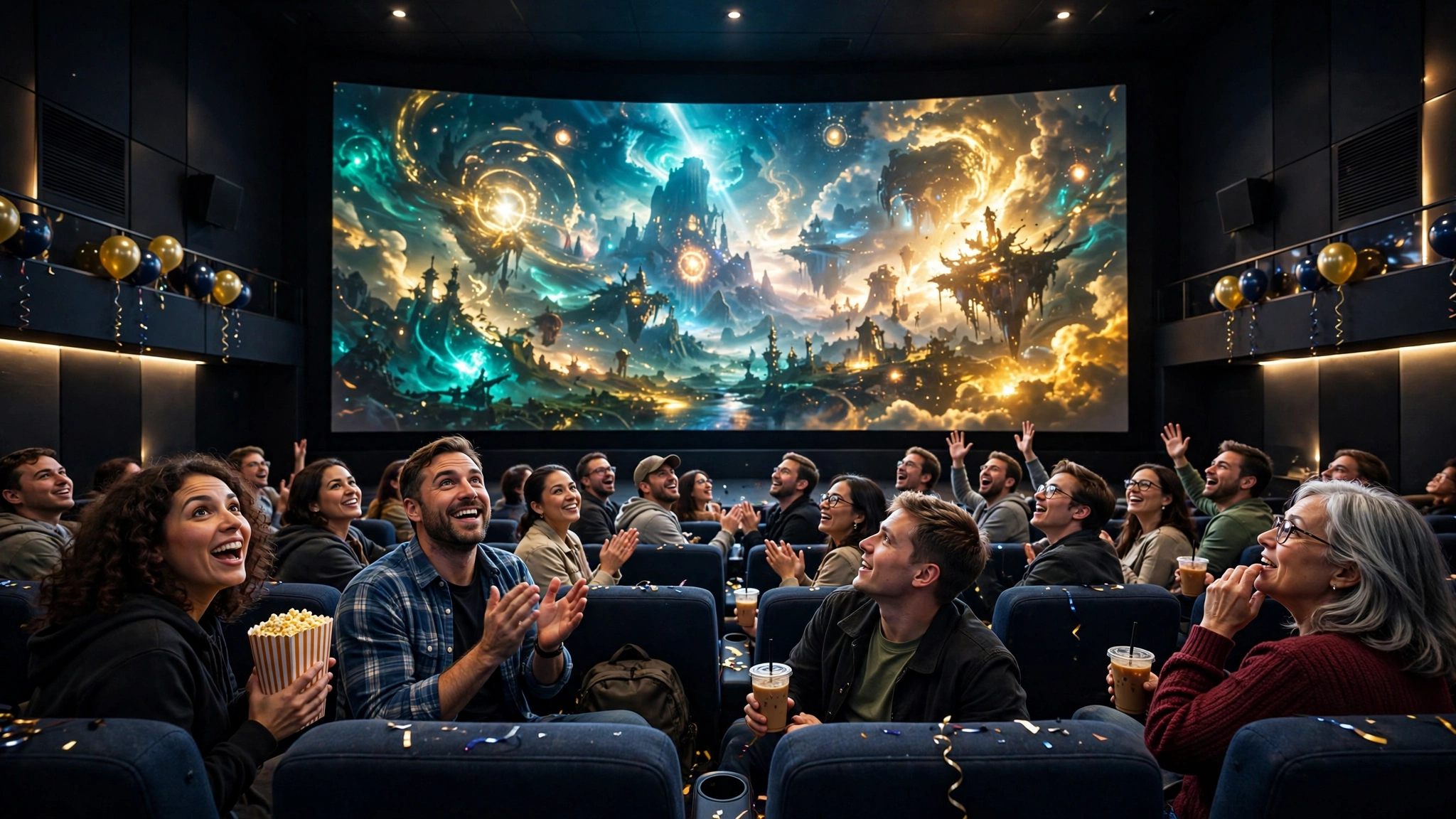
The film released in Hindi, Tamil, Telugu, Kannada and Malayalam (NDTV Profit, 5 November 2026) — five language versions aimed at making the epic play as a pan-Indian and diaspora event rather than a single-market Hindi release. Its music, by A.R. Rahman and Hans Zimmer, and visual effects by Oscar-winning company DNEG (NDTV Profit, 5 November 2026) point in the same direction: collaborators chosen to carry the film to viewers who may come for the spectacle first and the story second.
That strategy mirrors what the industry’s biggest recent deals have been chasing — films designed from the outset to earn across territories, as in the record overseas sale reported for Shah Rukh Khan’s King. The difference here is the source material: few stories arrive with this level of built-in recognition across generations, and few carry this level of expectation with it.
Collections awaited, and a long road to Part 2
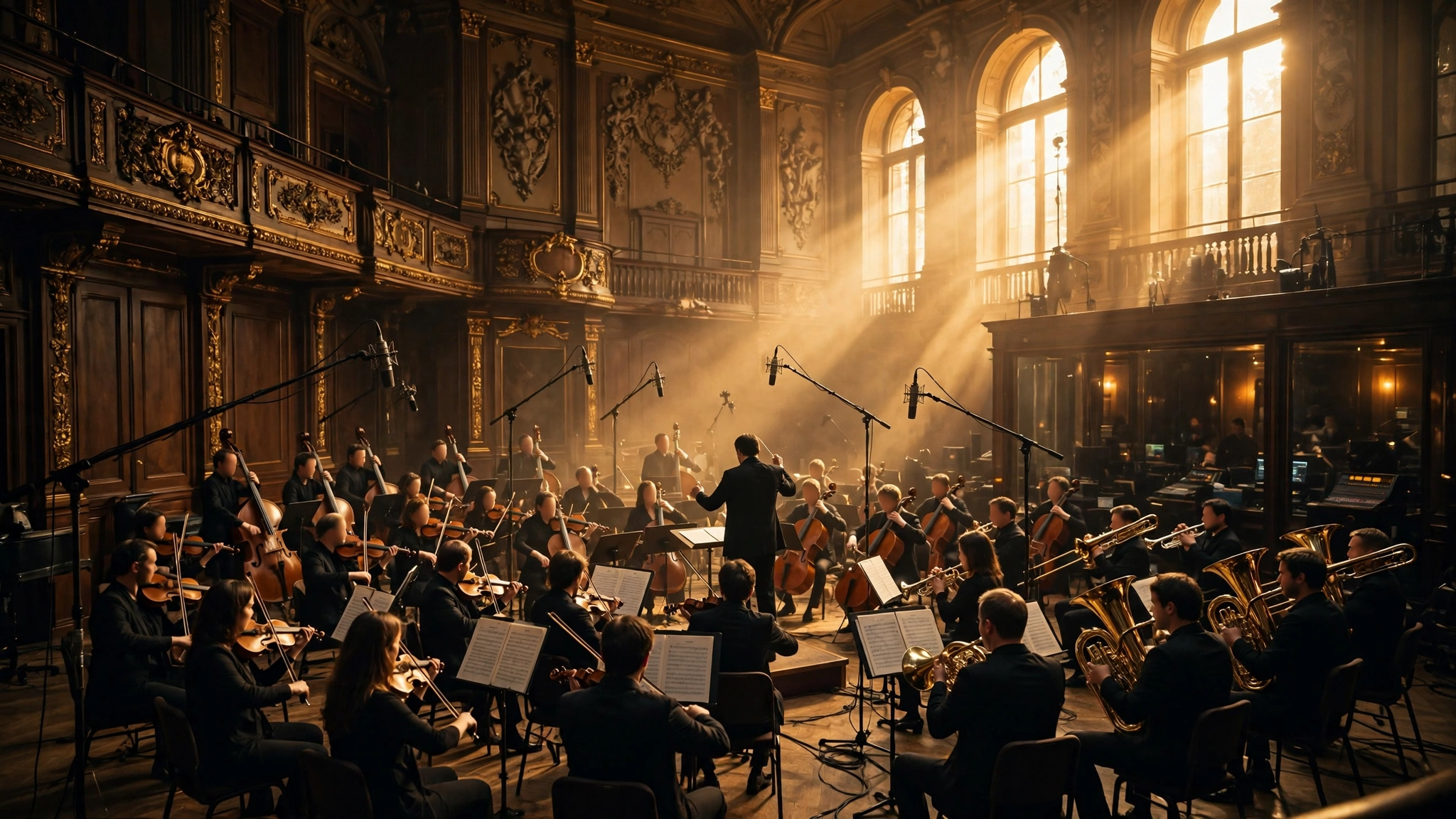
No verified opening-day collection figure has been published by the sources cited here, so collections are awaited and this report does not present projections as earnings. What is confirmed is the shape of the franchise: the second part is expected to arrive during Diwali 2027 (NDTV Profit, 5 November 2026), giving Part 1 an unusually long runway in which word of mouth — not just opening-weekend scale — will decide whether the global-event bet has worked.
By tonight, the first audience verdicts will start to answer the question this release poses. If viewers beyond the epic’s traditional audience turn up in the coming days, Ramayana will have done something rare for Indian cinema. If they do not, Part 2’s Diwali 2027 arrival will be a harder sell. Either way, the experiment is now under way, in five languages and on the biggest screens available.