Pakistan Warns of Taliban Repression as UN Expert Urges Accountability
At the United Nations, Pakistan paired its security case against the Taliban with the UN expert’s human-rights case — arguing Kabul has neither curbed militant groups nor reversed systematic violations.

Highlights
- Pakistan’s representative Muhammad Jawad Ajmal said more than 4,700 Pakistanis had been killed in terrorist attacks originating from Afghanistan over the past three years
- Ajmal accused the Taliban of maintaining close links with terrorist organisations that operate with impunity
- UN Special Rapporteur Richard Bennett said that five years after seizing power, the Taliban had shown no willingness to reverse systematic human rights violations
- Bennett’s report documented arbitrary detention, torture, sexual violence, enforced disappearances and extrajudicial killings
- Pakistan pointed to the OIC’s Islamabad Declaration from July’s Ministerial Conference on Women as part of its engagement case
Two cases against Kabul, made side by side
Pakistan has warned that the Taliban continue to allow terrorist groups to operate from Afghan soil, as a UN human rights expert urged member states not to normalise relations with the Kabul regime without verifiable improvements in human rights Dawn.
Addressing the UN Human Rights Council’s interactive dialogue on Afghanistan on Thursday evening, Pakistan’s representative Muhammad Jawad Ajmal said more than 4,700 Pakistanis had been killed in terrorist attacks originating from Afghanistan over the past three years Dawn. Pakistan’s statement focused heavily on the security threat it says originates from Afghanistan, and Ajmal accused the Taliban of maintaining close links with terrorist organisations Dawn.
The UN expert’s verdict
Separately, UN Special Rapporteur Richard Bennett told the General Assembly that five years after seizing power, the Taliban had shown no willingness to reverse systematic human rights violations Dawn. Bennett’s report documented arbitrary detention, torture, sexual violence, enforced disappearances and extrajudicial killings in Afghanistan Dawn.

Why Pakistan made both arguments
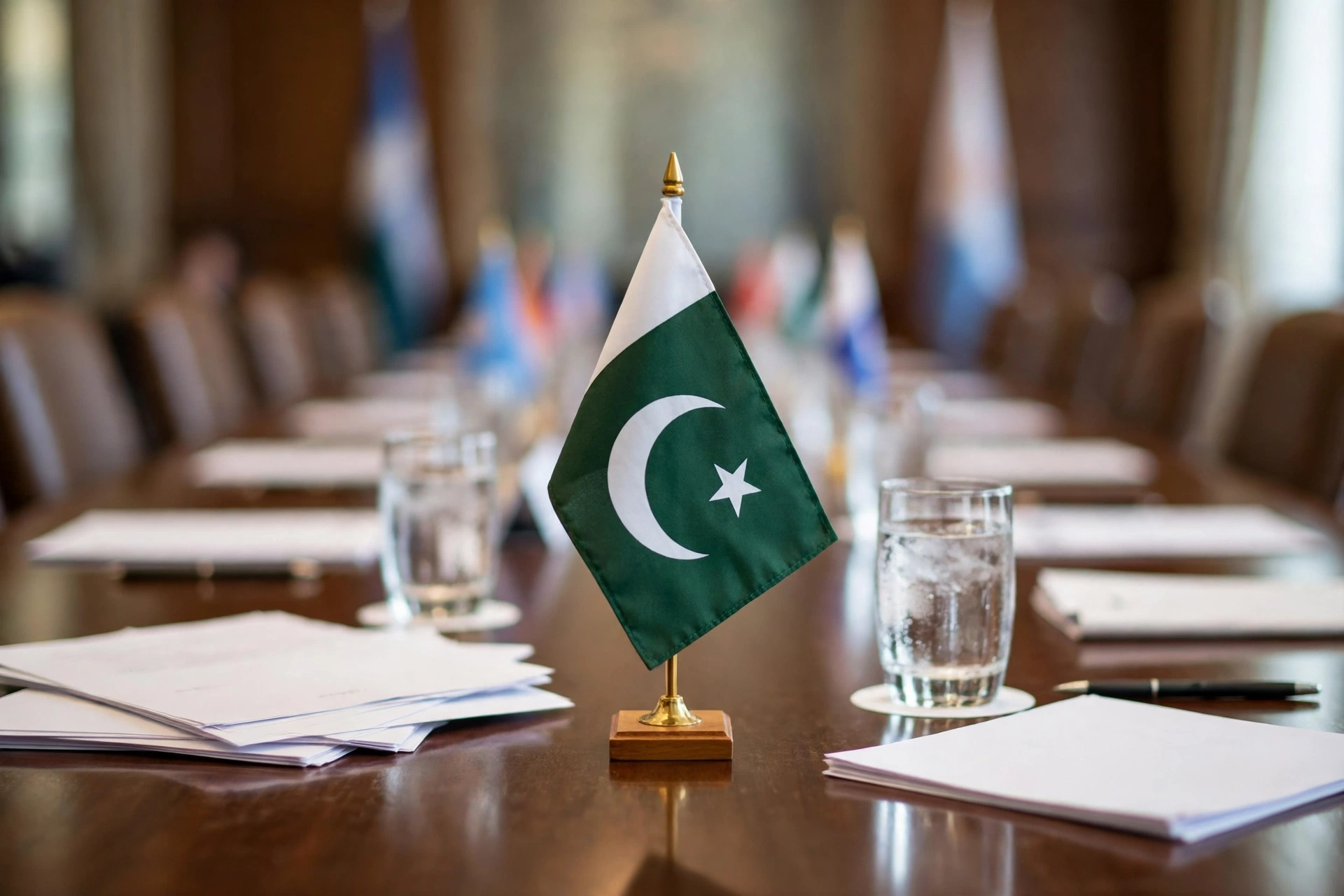
Islamabad’s position is that the two files cannot be separated: a regime that hosts militant groups and represses its own population presents both a security and a legitimacy problem. Ajmal also cited the ninth Ministerial Conference on Women, hosted by Pakistan in Islamabad in July, at which the Organisation of Islamic Cooperation adopted the Islamabad Declaration Dawn — an attempt to show Pakistan engaging on the rights file through multilateral channels rather than bilaterally alone.
The exchange comes in a week of heightened tension on the border itself, including the strikes covered in our separate report on the army’s targeting of Afghan border positions. Together, the diplomacy and the military signalling describe a single policy: pressure on Kabul from every direction Pakistan can bring to bear.