LPG Selling at Twice the Official Rate as Iran Border Closure Deepens Shortage
The official LPG rate for November is Rs294 per kg, but open-market prices have hit Rs630 per kg amid a shortage blamed on the Iran border closure, with marketers warning of a strike from November 16.
Highlights
- Ogra notified LPG at Rs294,075 per tonne for November, up from Rs279,341 in October.
- The official domestic cylinder (11.8 kg) now costs Rs3,470, up Rs173.
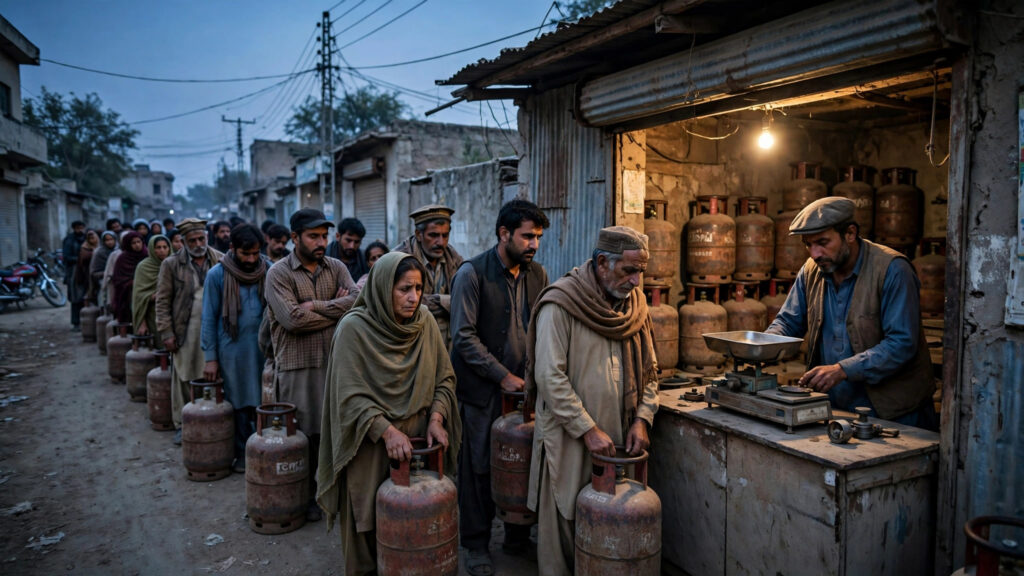
- Open-market LPG is selling for up to Rs630 per kg — more than double the official Rs294 rate.
- At least 70 per cent of LPG was imported from Iran, now hit by the border closure.
- LPG marketers have threatened a strike from November 16 over the new LPG policy.
The official price vs the street price
Liquefied petroleum gas is selling in Pakistan’s open market for up to twice its official rate, as a shortage linked to the US-Iran war and the closure of the Iran border squeezes supply. In a notification on Saturday, the Oil and Gas Regulatory Authority (Ogra) set the November LPG price at Rs294,075 per tonne, compared to Rs279,341 in the previous month, according to Dawn. Following the increase, the official retail rate of an 11.8 kg domestic cylinder is Rs3,470, up by Rs173, while the official LPG rate stands at Rs294 per kilogramme.
That official figure, however, bears little relation to what many households are actually paying. In the open market, LPG is selling for up to Rs630 per kg, while company-operated franchises are charging up to Rs400 per kg, with many warning that the crisis would compound due to the gas shortage. For a family buying a standard domestic cylinder at open-market rates, the gap between the notified price and the street price can run into thousands of rupees — a heavy burden as winter approaches and gas demand rises.
The regulator explained the notified increase in terms of international benchmarks. The LPG producer price was linked with Saudi Aramco-CP and the US dollar exchange rate, and compared to the previous month, Saudi Aramco-CP had increased by 6.47 per cent, while the average dollar exchange rate had slightly decreased by 0.12 per cent, resulting in an increase in the LPG consumer price by Rs14.73 per kg. That accounts for the Rs15 per kg rise in the notified rate, but it does not explain the far larger premium in the open market, which is a story of scarcity rather than benchmarks.
Why the shortage has bitten
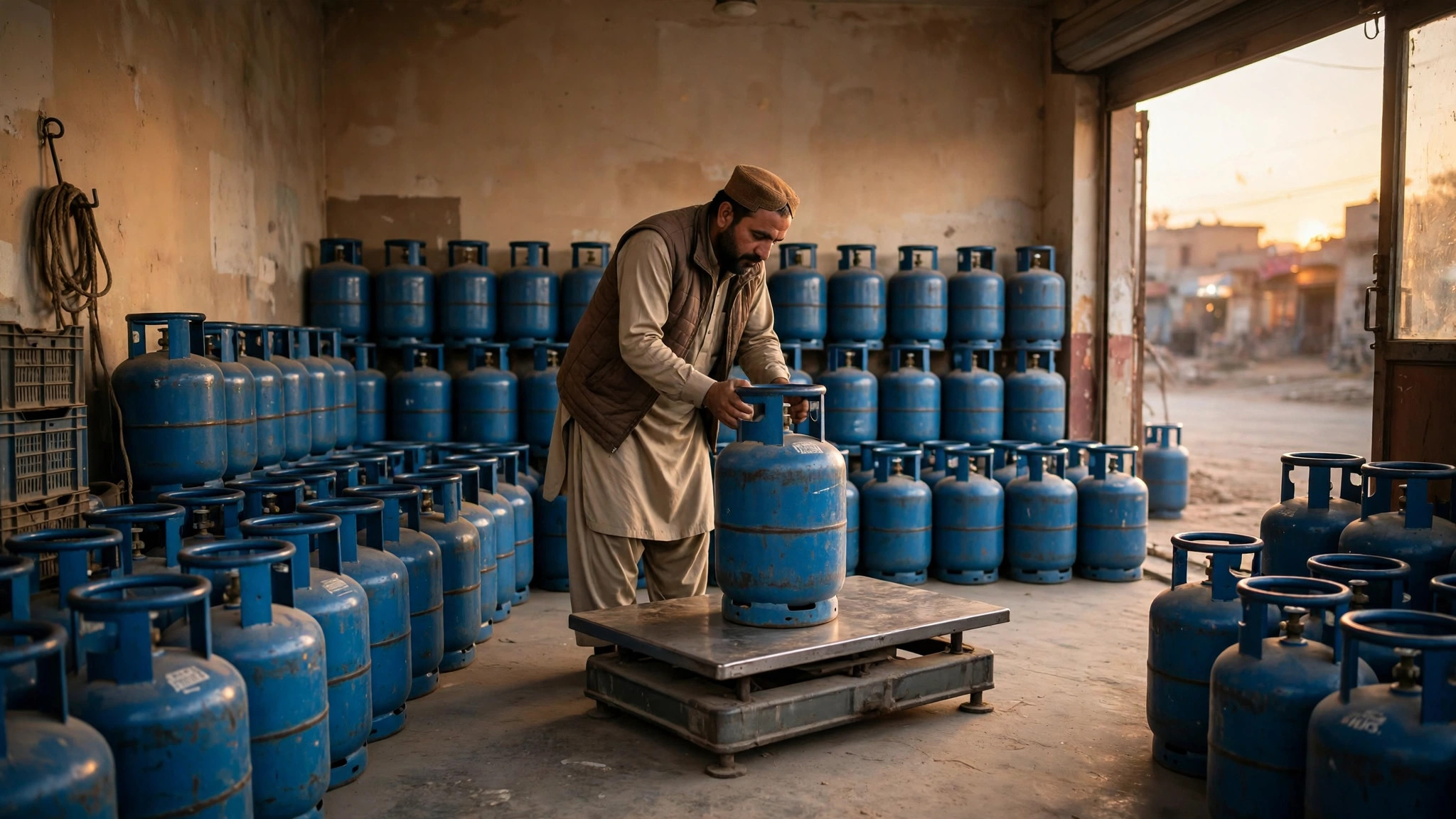
The supply problem is structural. LPG Distributors Association of Pakistan Chairman Irfan Khokhar said the situation was serious because of the Iran border closure, noting that at least 70 per cent of LPG was imported from Iran, while only 30 per cent was locally produced, Dawn reported. When the dominant supply route shuts, no notified price can conjure gas that is not arriving.
“The government has to make serious efforts to control market manipulations,” Mr Khokhar said.
The association’s warning points to a second problem layered on top of the shortage: in a tight market, distributors and retailers with stock can charge what the market will bear, and enforcement of the notified price appears weak. Households that cannot find gas at the official rate have little choice but to pay the premium or go without, and with winter demand still to peak, the pressure is only likely to grow.
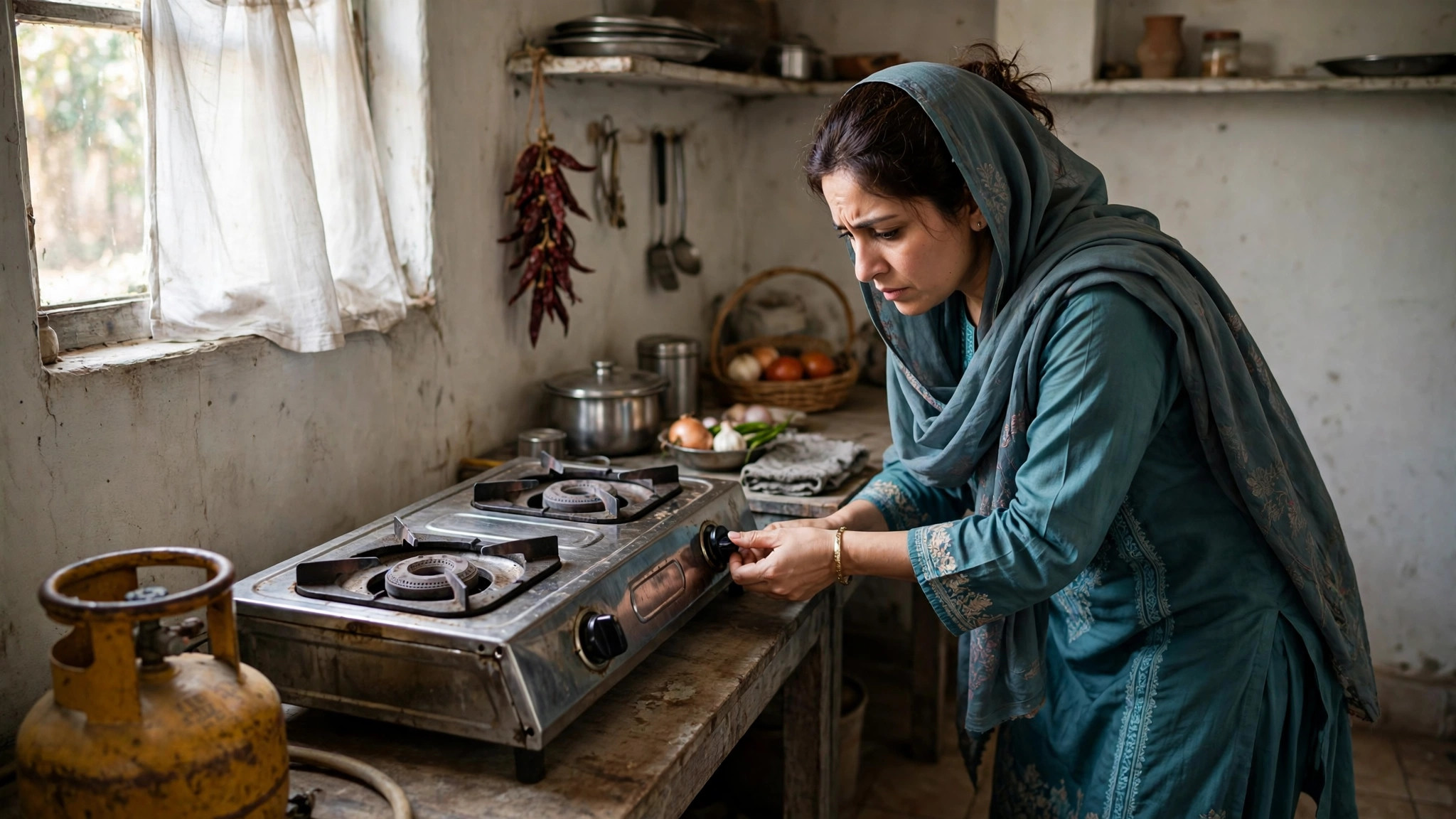
The squeeze comes against a backdrop of rising fuel costs more broadly. Petrol and diesel prices were also revised upwards in late October, adding to household energy bills across the board, as covered in our earlier report on the fuel price revision (https://titansinfos.com/pakistan-petrol-diesel-prices-rise-october-29/). For homes that rely on LPG cylinders because they have no piped gas connection, the LPG premium is not an abstract market statistic but a weekly expense.
The policy fight behind the crisis
Alongside the shortage, a policy dispute is escalating. LPG marketing companies have threatened to shut down their businesses from November 16 if the private sector is sidelined in the upcoming LPG policy. Pakistan LPG Marketers Association Chairman Ali Haider warned that they will observe a strike from November 16 if the government implemented the policy, and said the government should not reverse the deregulation of LPG, adding that the gas was in short supply due to the Iran border closure.
Mr Haider put numbers on the import gap: out of around 1.3 million tonnes, only around 225,000 tonnes is imported from the Gulf, and that too has been mainly imported by the private sector. He added that the ProGas terminal at Port Qasim was under the control of the Sui Southern Gas Company, which he said had imported LPG around seven months back. The association has also written to Petroleum Minister Ali Pervaiz Malik, stating that the draft policy sent to the prime minister had no input from the private sector, and it called for the complete deregulation of the LPG sector.
The marketers also raised a grievance about a levy that was supposed to fund emergency imports. The 2016 LPG policy imposed a Rs4,669 per tonne petroleum development levy on locally produced LPG, intended to provide subsidies to state-owned entities such as PSO, Parco and SSGC to import LPG during winters and in any emergency, like the current scenario. Despite billions of rupees collected through this formula, the state-owned entities have failed to import LPG during these days, Mr Haider alleged. That claim, if accepted, would mean households paid for an emergency buffer that is not being deployed in the emergency it was designed for.
What happens next
Three dates now frame the crisis. The November notified price is already in force, so the immediate question is whether enforcement can narrow the gap between the Rs294 official rate and the Rs630 open-market peak. The second date is November 16, when marketers say they will strike if the private sector is sidelined in the new policy — a stoppage that would deepen the shortage it protests. And behind both sits the Iran border, whose reopening would do more than any notification to restore supply. Until one of those moves, households face a winter of paying well above the official rate for a basic cooking fuel.