
Bilawal Bhutto-Zardari Calls for Parliamentary Briefing on Security Challenges Facing Pakistan
Highlights
- PPP Chairman Bilawal Bhutto-Zardari told the National Assembly on Thursday, 29 October 2026, that Parliament should be briefed on the threats facing Pakistan.
- He proposed that the finance, foreign affairs, defence and interior ministers brief the House on the changing regional situation.
- His concerns included the Iran dispute, Pakistan’s defence agreements, and disruptions affecting the Strait of Hormuz and the Red Sea.
- He argued that every parliamentarian has the right to be informed about terrorism, regional instability and economic pressures.
- He also urged the opposition to return to parliamentary committees and use the authority of the opposition leader.
The call for a briefing
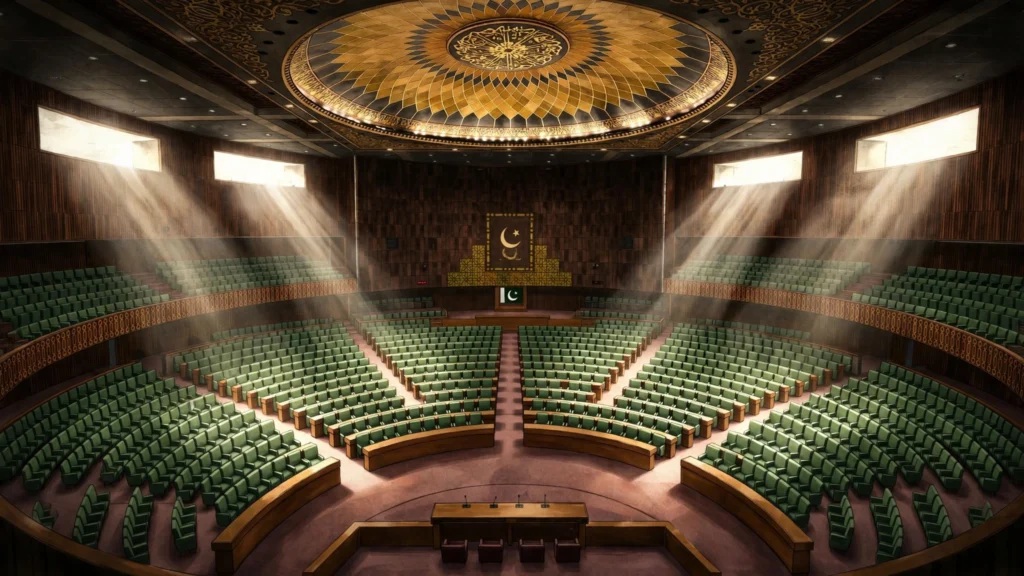
“Which threats are being faced by Pakistan, the house should be briefed,” Bilawal Bhutto-Zardari said on the floor of the National Assembly on Thursday, ARY News reported. The Pakistan Peoples Party (PPP) chairman said the ministers of foreign affairs, defence and interior should brief Parliament on the matter.
“The Parliament should be informed about the challenges in the Strait of Hormuz, Red Sea and other places,” Bilawal said, according to the same ARY News report. He pressed the government on two pointed questions: “What is our role in agreements over the Iran dispute? What are the aims and objectives of defence agreements, to which we extend our support?”
Dunya News reported that Bilawal called for a comprehensive briefing covering the security, economic and diplomatic challenges facing Pakistan, and proposed that the finance, foreign affairs, defence and interior ministers, along with other relevant officials, brief the House on the emerging regional situation, its potential consequences for Pakistan and the government’s preparations to address them, as published on Dunya News.
Why the timing matters
Bilawal’s intervention did not come out of nowhere. He pointed to developments linked to the Iran conflict, regional defence agreements and disruptions affecting important maritime routes, including the Strait of Hormuz and the Red Sea, which could have significant implications for the global and Pakistani economies, Dunya News reported. The Express Tribune similarly reported that he referred to the war in Iran, disruptions in the Strait of Hormuz and the Red Sea, and Pakistan’s recent defence agreements, saying it was essential that “relevant officials, including the finance minister, foreign minister, defence minister and interior minister, provide a comprehensive briefing to the Parliament”, as published in The Express Tribune.
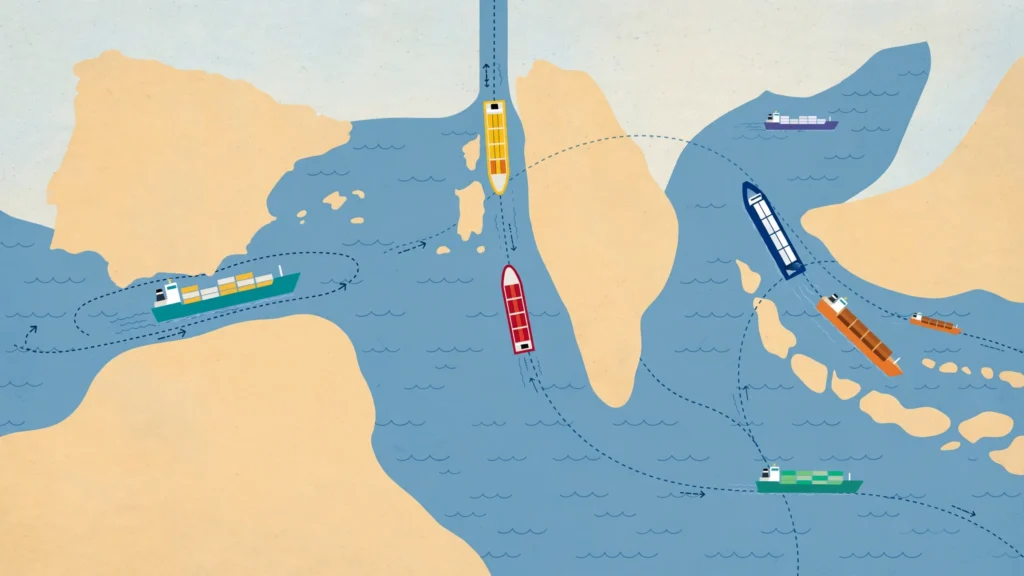
For a country like Pakistan, those sea lanes are not abstract geography. The Strait of Hormuz and the Red Sea carry a large share of the world’s oil and container traffic, and disruption there feeds directly into fuel prices, import costs and inflation at home. Bilawal’s framing — security, economy and diplomacy as one connected picture rather than three separate files — is the strongest part of his argument. A briefing that covered only the military dimension would miss half the risk; one that covered only the economy would miss why the risk exists at all.
He also stressed that every member of Parliament had the right to understand the potential risks facing the country, including terrorism, regional instability and economic pressures, as well as the government’s strategy to address them, Dunya News reported. The Tribune added that he said parliamentarians had a right to be informed about possible threats facing the country, including domestic terrorism, the government’s response and future security challenges.
Parliament itself was part of the message
Bilawal’s speech was about more than foreign policy — it was also a defence of Parliament as an institution. He said it is the right of the people in the House to be informed about all issues, adding: “Some people want a weaker and dysfunctional parliament”, according to ARY News. He went further: “The authority and the power handed over by the party’s founder to the leader of opposition should be exercised,” and urged the opposition leader to ask his representatives to attend the parliament committees.
The Nation reported the same appeal, noting that Bilawal urged the opposition to make use of its parliamentary authority and resume participation in parliamentary committees, as published in The Nation. He warned that efforts to weaken the legislature would undermine its ability to perform its constitutional role, and said it was the responsibility of elected representatives to ensure Parliament remained effective.
What a briefing would need to answer
If the government accepts Bilawal’s proposal, the briefing will be judged on specifics, not on whether it takes place. Three questions stand out from his speech. First, what exactly is Pakistan’s role in agreements connected to the Iran dispute, and what obligations, if any, do those agreements create? Second, what are the aims and objectives of the defence agreements Pakistan supports — and what do they cost, politically and financially? Third, what contingency planning exists if disruption in the Strait of Hormuz or the Red Sea worsens, pushing up energy and import prices?
A briefing that answers those questions in concrete terms would strengthen the government’s hand, not weaken it: a Parliament that understands the risks is more likely to support difficult decisions. A briefing that stays at the level of general reassurance would, by contrast, confirm the very complaint Bilawal is making — that lawmakers are asked to trust a strategy they have not been shown.

The wider context
Bilawal’s remarks also sit against a tense domestic security backdrop. Earlier in October he defended counterterrorism measures and urged parties to consider the country’s security challenges before criticising them, while stressing that both houses of parliament should work together to confront terrorism. The through-line is consistent: security policy, in his telling, cannot be the preserve of the executive alone while Parliament debates its consequences after the fact.
Whether the government agrees to a full ministerial briefing remains to be seen, and no date for such a session was announced in Thursday’s proceedings as reported. But Bilawal has put a clear, testable demand on the record: four ministers, one comprehensive briefing, covering security, the economy and diplomacy together. The next step belongs to the government benches.
For more on Pakistan’s politics and regional developments, see the Titans Infos homepage at titansinfos.com.