
Highlights
- At a campaign rally in Corinth, Mississippi, on Monday, October 26, President Donald Trump said: “We didn’t start the war with Iran. Iran started the war with us” — echoing a line used minutes earlier by Republican Rep. Trent Kelly
- Trump dismissed the ceasefire his administration reached with Iran in June: “We did a little ceasefire, which I never liked very much… it was just a waste of time as far as I’m concerned”
- A fact check of the claim rates it misleading: the war began on February 28, 2026, when the US and Israel launched coordinated strikes on Iran, and Pentagon briefings identified no imminent Iranian attack beforehand
- The same day, Iran’s President Pezeshkian hosted Saudi Arabia’s defence minister, Pakistan’s army chief and Türkiye’s intelligence chief in Tehran, while President Putin was set to meet Iran’s president and Qatar’s Emir in Moscow on Tuesday
What Trump said in Corinth
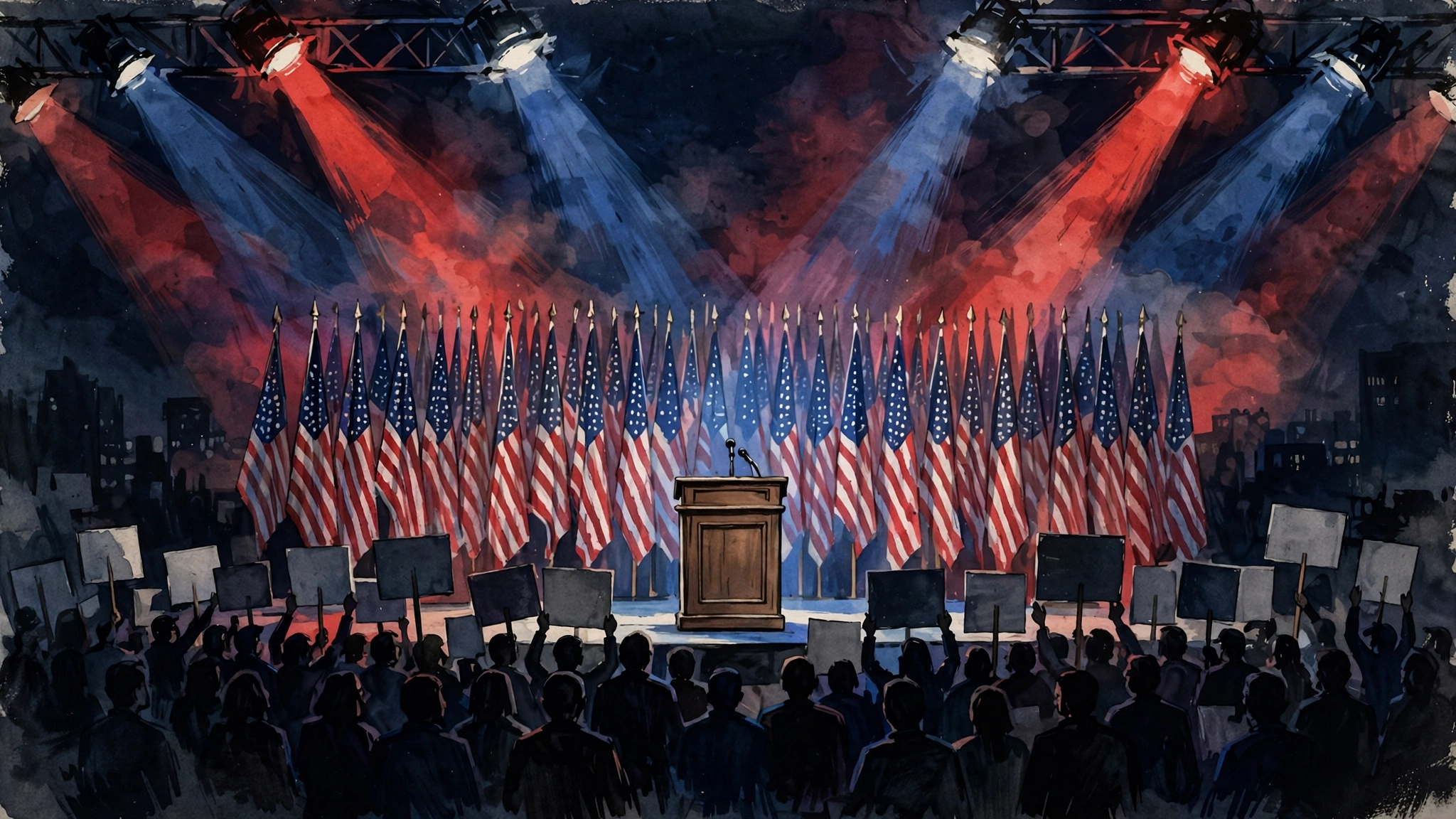
The Trump Iran started the war line came at the Crossroads Arena in Corinth, Mississippi, where the president was campaigning for Republican candidates — among them Senator Cindy Hyde-Smith — ahead of next week’s midterm elections. Echoing Representative Trent Kelly, who had told the crowd Iran started the war in 1979 — a line Trump said he planned to use — the president told supporters: “We didn’t start the war with Iran. Iran started the war with us” (Indian Express).
He was blunter about Iran’s capabilities and about the damage inflicted on it. “They make great weapons. They’re very smart people. But we’ve beat the shit out of them,” he said, to standing applause (Clarion Ledger). He also repeated the claim that Iran has developed missiles able to reach Europe and, eventually, American cities: “Iranians now have a missile that essentially reached Europe. They weren’t supposed to. We said, ‘Where the hell did they get that?'” (Israel National News). “And they’d hit our cities. They’d hit San Diego. They’d hit Los Angeles. They’d hit our cities too. So somebody had to do it. It had to be done,” he said (Israel National News).
On the ceasefire his administration reached with Iran in June — a deal that quickly collapsed — Trump was dismissive: “We did a little ceasefire, which I never liked very much. I considered it a waste of time. The ceasefire was just a waste of time, but you like to listen to professionals. We wanted to be nice, but it was just a waste of time as far as I’m concerned” (Israel National News).
The record behind the ‘Iran started the war’ claim
The claim does not match the documented sequence of events. A fact check published after the rally rated the statement misleading: the war — known as Operation Epic Fury to the United States and Operation Roaring Lion to Israel — began on February 28, 2026, when the two countries launched coordinated airstrikes and missile attacks on Iran, targeting nuclear facilities, military sites and leadership compounds and killing Iran’s Supreme Leader Ali Khamenei and several other senior officials; Iran then retaliated with missile and drone attacks (MEAWW). There were no reported Iranian first strikes on US forces that triggered the February 28 operation, and Pentagon briefings to Congress around that time indicated intelligence officials had not identified an imminent Iranian attack on US forces that would have prompted the strikes (MEAWW).
That gap between the rally line and the record matters because of the politics around the war. The ongoing conflict has not been approved by Congress and has been unpopular with Americans, with polls showing concern about the loss of American lives and the rising gas and fuel costs caused by decreased oil flow from the Middle East (Clarion Ledger). In February, the president said the war would take about six weeks; he has since said for months that it will end soon, or around the election (Clarion Ledger).
Oil prices: the defence Trump keeps returning to
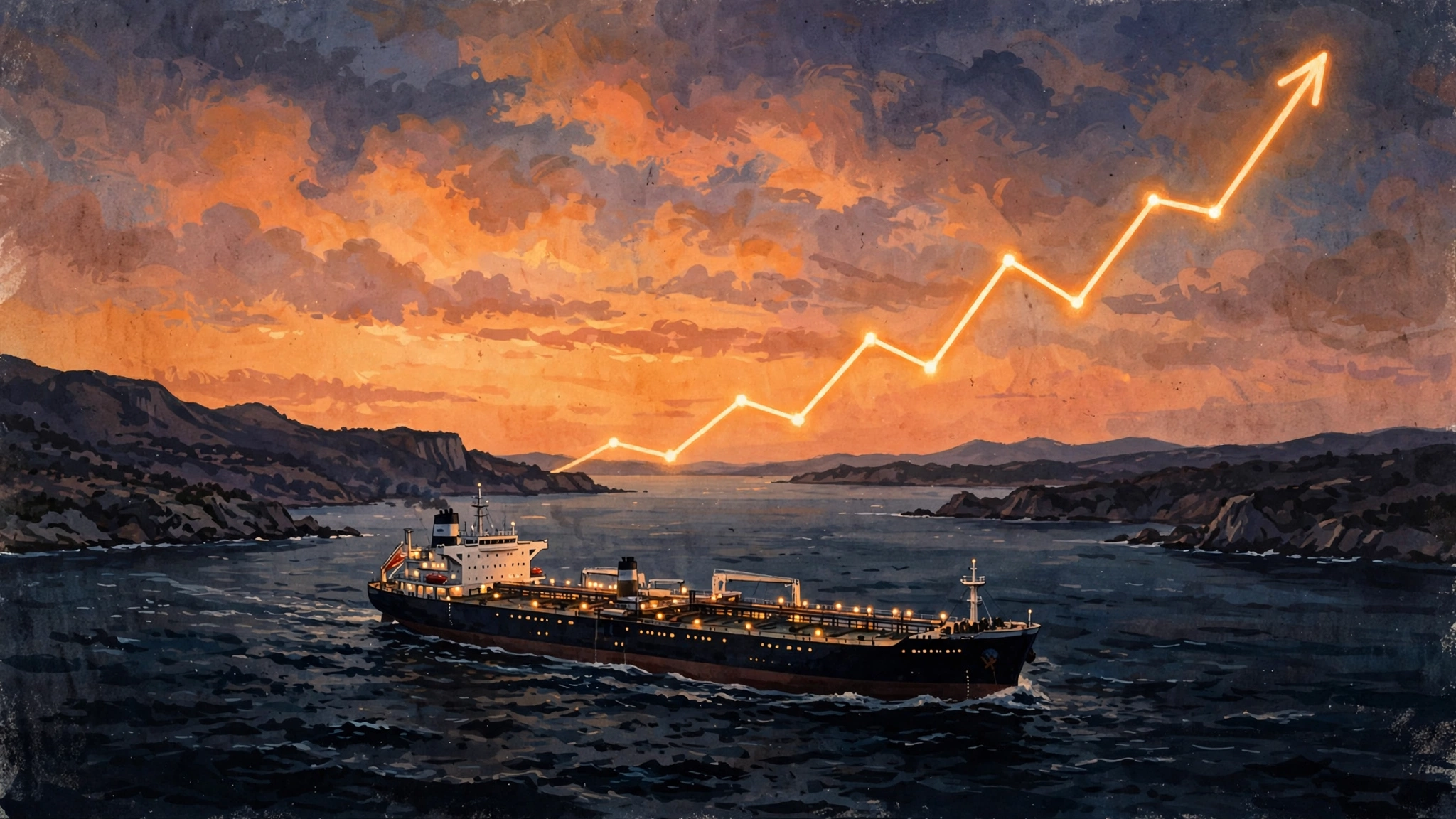
The economic argument was the other half of the rally pitch. Trump defended the consequences of the campaign head-on: “I expected the price of oil to go much, much higher, and I was fully prepared to do it,” he said, adding that the action “should have been done by other presidents a long time ago” (Clarion Ledger). “I was fully prepared to do it because we really had no choice. Should’ve been done a long time ago,” he said (Rifnote).
That defence has a long shadow outside the United States. The same Middle East energy shock is the one Pakistan’s central bank cited this week when it raised its policy rate to 12% — read our report on the SBP rate decision and the energy and wheat risks behind it — and it is why a line delivered to a friendly crowd in Mississippi is also, indirectly, a story about fuel bills in Lahore and Delhi.
Meanwhile in Tehran: the region talks back
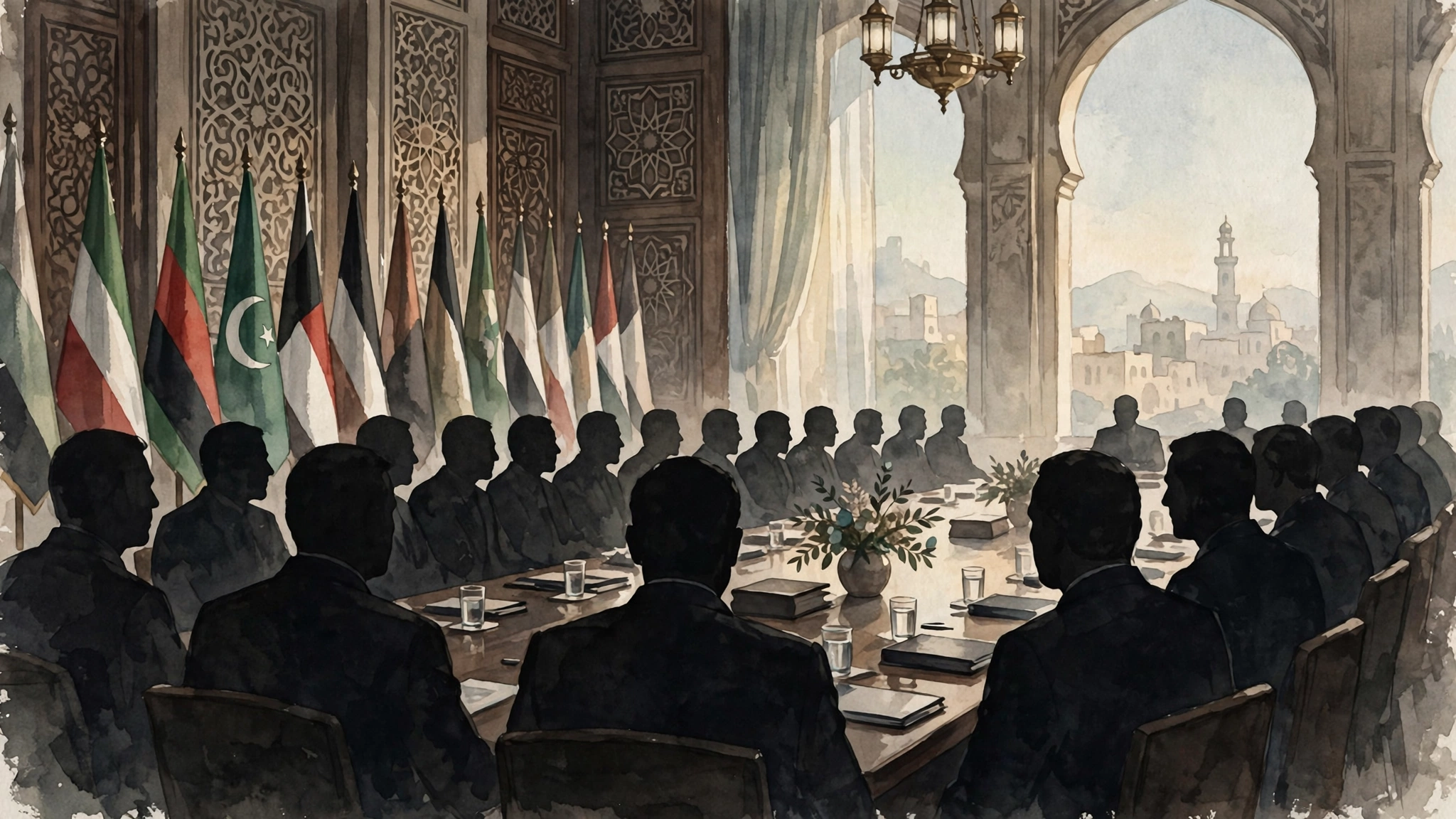
While Trump was rewriting the war’s origins, Tehran was hosting the region’s security establishment. Iranian President Masoud Pezeshkian met Saudi Defence Minister Khalid bin Salman, Pakistani army chief Asim Munir and Turkish intelligence chief Ibrahim Kalin in Tehran, and urged Muslim-majority countries to strengthen cooperation against Israeli attacks: “We must not allow the Zionist regime to carry out assassinations and acts of aggression against any individual or country whenever it wishes” (Indian Express). Egypt’s parliament, for its part, approved military support for Saudi Arabia against Houthi attacks, and President Putin was set to meet Iran’s president and Qatar’s Emir in Moscow on Tuesday (Indian Express).
The bottom line: none of that diplomacy changes what happened on February 28. Trump’s Corinth remarks are best read as a midterm argument — shifting responsibility for an unpopular, congressionally unauthorised war onto Tehran, and pre-empting the oil-price anger that the Clarion Ledger notes in the polling — rather than as a history of the conflict. The history, on the record assembled by fact-checkers and congressional briefings, starts with American and Israeli strikes. Expect the “Iran started it” line to recur across the remaining stops of his 30-plus-rally blitz; expect the record to be cited back at it every time.