

Highlights
- At a political rally in Port Huron, Michigan, on Sunday, October 25, Trump said: “Norway has become a shit house country, actually” — a term Reuters notes he has previously applied to Haiti, Libya, Somalia and Yemen
- He said he would welcome immigrants from some countries but not Norway “because I didn’t get the Nobel Prize … So I don’t want anybody from Norway,” with no indication of any new official policy on Norwegian immigrants
- Norwegian Foreign Minister Espen Barth Eide told NRK on Monday: “He [Trump] knows very well that the Nobel committee is independent. We have reminded them of that, if anyone is wondering, and that is still the case”
- The Nobel committee’s five members are appointed by Norway’s parliament, but the committee is an independent private body — and this year’s Peace Prize went to South African human rights lawyer Navanethem “Navi” Pillay, whom Trump had mocked as a “mystery person”
What Trump said at Port Huron, in his own words
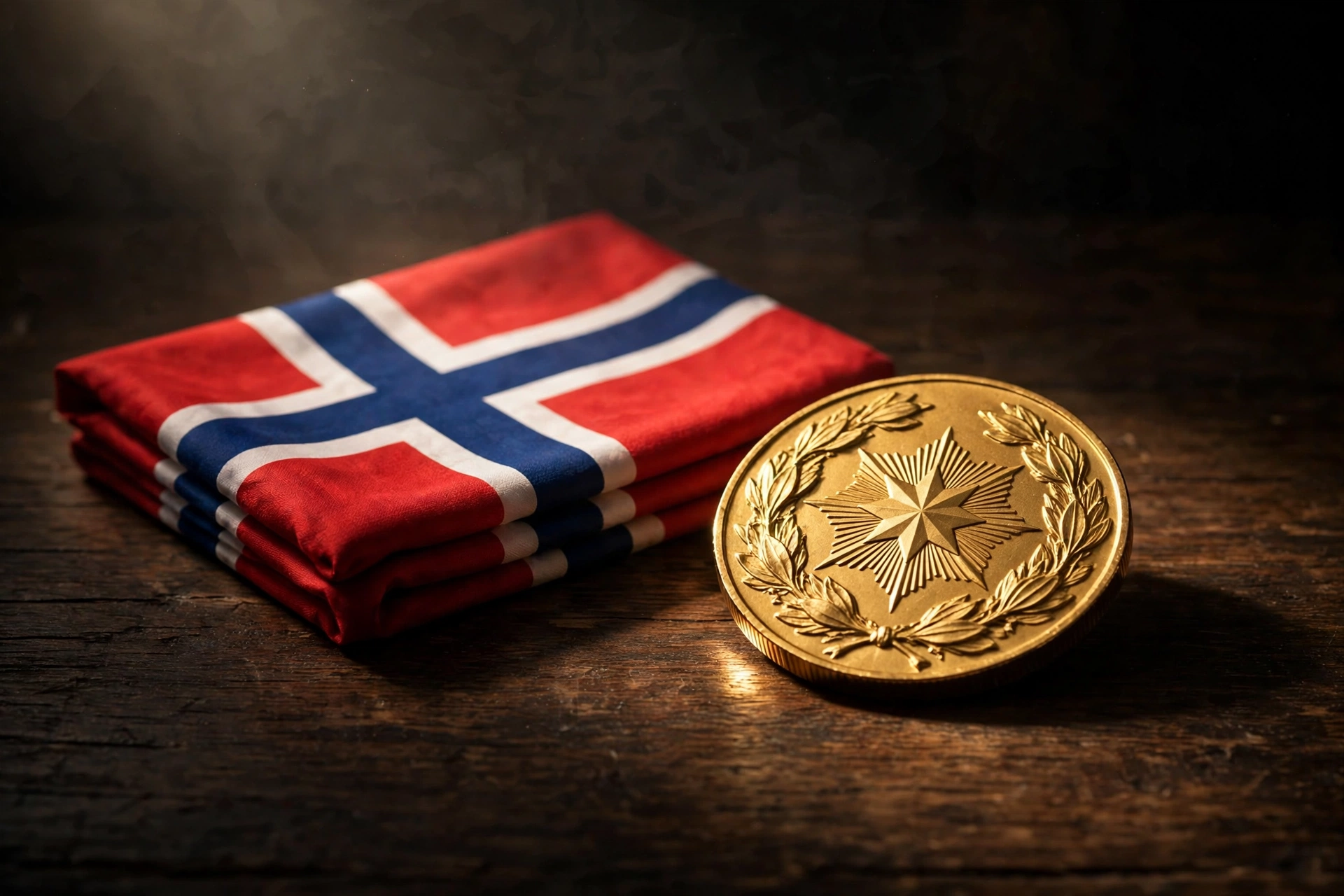
US President Donald Trump on Sunday escalated his invective against Norway, calling it a “shit house country” and saying Norwegian immigrants are not welcome in the United States because the Nobel committee, based in the capital Oslo, has not awarded him a Peace Prize (Reuters). Trump made the comments at a political rally in Port Huron, Michigan, ahead of next week’s midterm elections (Reuters).
The full sentence, as reported, was: “Norway has become a shit house country, actually” (Reuters). The Times’ account of the same speech carries a preceding sentence as well: “Frankly, Norway sucks. Norway has become a shithouse country, actually” (The Times).
Attributing recent unrest in France to immigration, Trump said he would welcome immigrants from some countries but not from Norway “because I didn’t get the Nobel Prize … So I don’t want anybody from Norway” (Reuters). The Times reported the same passage from the Port Huron speech, in which Trump also said of unrest in Europe: “What they’re having in Europe, and it’s not only France now — it’s Italy and so many different countries over there — is really a mess” (The Times).
One limit on the story needs to be stated plainly, because both wire and newspaper reporting state it: there was no indication that the Trump administration was adopting new official policy on Norwegian immigrants (Reuters). This was a rally statement about a prize, not an announced immigration rule — and reporting it as policy would be inventing something the sources do not say.
A familiar term, an unfamiliar target
Reuters noted that Trump used “a term that he has previously applied to Haiti, Libya, Somalia and Yemen” (Reuters). The New Indian Express, reporting the same rally, added the earlier history in compressed form: Trump came under fire in 2018, during his first term, after using similar vulgar expressions to refer to Haiti and certain African countries (The New Indian Express).
What makes the Norway version analytically different is the target and the stated reason. Norway is among the highest-income countries as measured by GDP per capita, according to International Monetary Fund data, and Norway’s sovereign wealth fund posted a record profit of 1.75 trillion Norwegian crowns ($184.3 billion) for the first half of 2026 (Reuters). In other words, the usual economic or security framing attached to the term in past controversies is not the framing Trump himself offered here. By his own quoted words, the disqualification was personal and specific: “because I didn’t get the Nobel Prize” (Reuters).
That distinction matters for readers sorting rhetoric from policy elsewhere in the world too — a point that comes up whenever a campaign insult is mistaken for a government decision, as in our recent coverage of Brazil’s contested election aftermath.
The grievance did not start on Sunday
Sunday’s rally was an escalation, not a beginning. Trump earlier this month called the failure to give him a Nobel Peace Prize an “indelible stain” on Norway (Reuters). He mocked this year’s winner, the South African human rights lawyer Navanethem “Navi” Pillay, describing her as a “mystery person” during a campaign rally in Syracuse, New York, adding: “I never heard of the person. Nobody did” (The Times). The Times also carried his fuller Syracuse wording: “This is an indelible stain on the country of Norway and those people that made such a disgraceful and embarrassing decision,” he said. “The Nobel peace prize has been forever discredited by a handful of radical ideologues who are anti-democracy and really enemies of civilisation. And we will not forget, Norway” (The Times).
The New Indian Express described Pillay, in its own reporting of the Port Huron story, as a judge and former UN rights chief, and noted that Trump has called the committee’s choice “a disgraceful and embarrassing decision” and argued that the award should have gone to him (The New Indian Express). Since returning to the White House in January 2025, Trump has made no secret of his desire to win the prestigious Nobel Peace prize, the same report said (The New Indian Express).
Reaction: Norway answers with the committee’s independence
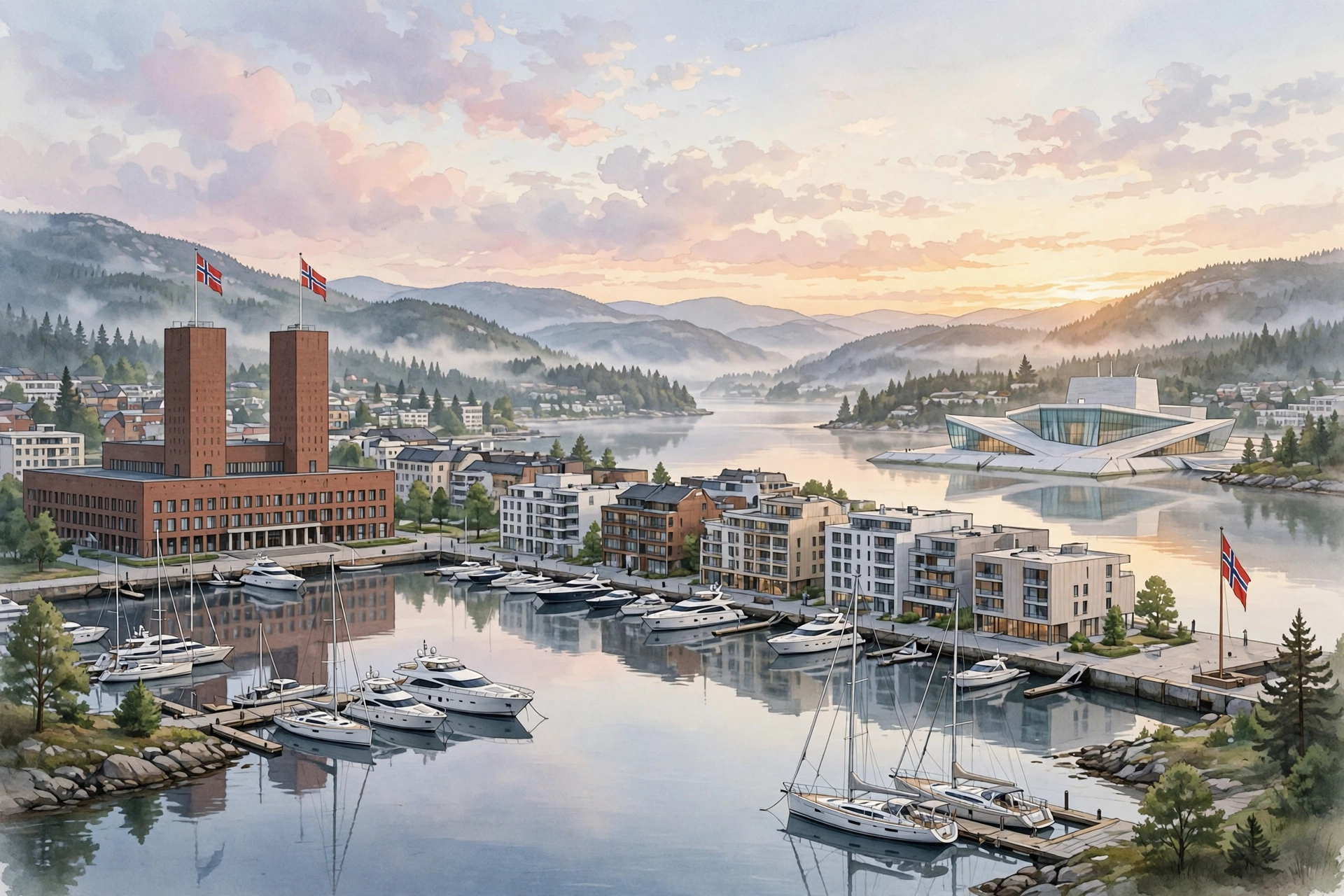
There is a genuine, sourced reaction to this story, and it came from Norway’s government on Monday — carefully aimed not at the insult itself, but at the premise behind it. The Norwegian foreign minister, Espen Barth Eide, told the national broadcaster NRK on Monday: “He [Trump] knows very well that the Nobel committee is independent. We have reminded them of that, if anyone is wondering, and that is still the case” (The Times). Reuters’ syndicated follow-up carried the same response in a near-identical wording — “He knows very well that the Nobel Committee is independent. We have reminded them of that, if anyone is wondering, and that is still the case” — and added that his ministry declined to comment further (WNFL Sports / Reuters).
The institutional fact underneath Eide’s answer is this: the Nobel committee is based in the Norwegian capital, Oslo, and its five members who award the peace prize are appointed by the Norwegian parliament; however, the committee is a private body and the prize is classed as private (The Times). Appointment by parliament is not the same as direction by the government — which is precisely the distinction Eide was restating.
For its part, Norway’s Ministry of Foreign Affairs and a representative for the Norwegian Nobel Committee did not immediately return requests for comment outside regular office hours when Reuters first reported the rally remarks (Reuters). Eide’s NRK statement on Monday is, so far, the substantive Norwegian response on the record.
What this episode actually shows
First, the quote is the story, and it should stay a quote. Trump did not announce a Norway immigration policy; Reuters explicitly found no indication of one. Treating rally language as policy would mislead readers in exactly the way Eide’s calm, procedural reply was designed to counter.
Second, the target inversion is the news value. A term previously applied to Haiti, Libya, Somalia and Yemen was applied this time to one of the world’s highest-income countries, and the speaker gave the reason himself — a prize decision made by a private committee. That is why the remark travelled: not because Norway’s circumstances changed, but because the stated criterion did.
Third, the institutional answer will outlast the insult. Parliaments appoint the committee; governments do not award the prize. Eide did not trade insults, dispute Trump’s account of his own feelings, or promise any change. He restated a structure — and, notably, said Trump already knows it. Whether the grievance continues through the midterm campaign is a political question; the Nobel structure it is aimed at is not Norway’s government to change.