

Key points:
- Running costs are the win: electricity per kilometre beats petrol, and servicing is simpler.
- Home charging is the dividing line — with it, EV life is easy; without it, think twice.
- Battery warranties of 8 years are now common, which has calmed the biggest buyer fear.
Electric cars have moved from novelty to normal — you see them charging at supermarkets, offices and on ordinary streets. But “everyone is buying one” is not a reason to buy one. The switch suits some drivers perfectly and frustrates others. Here’s the honest split.
The case for switching
Fuel is where an EV pays you back every single week. Electricity per kilometre costs a fraction of petrol, and with far fewer moving parts — no oil, no clutch, no exhaust — servicing is cheaper and rarer. The drive itself wins people over too: instant, silent acceleration makes city traffic oddly relaxing.
The charging question
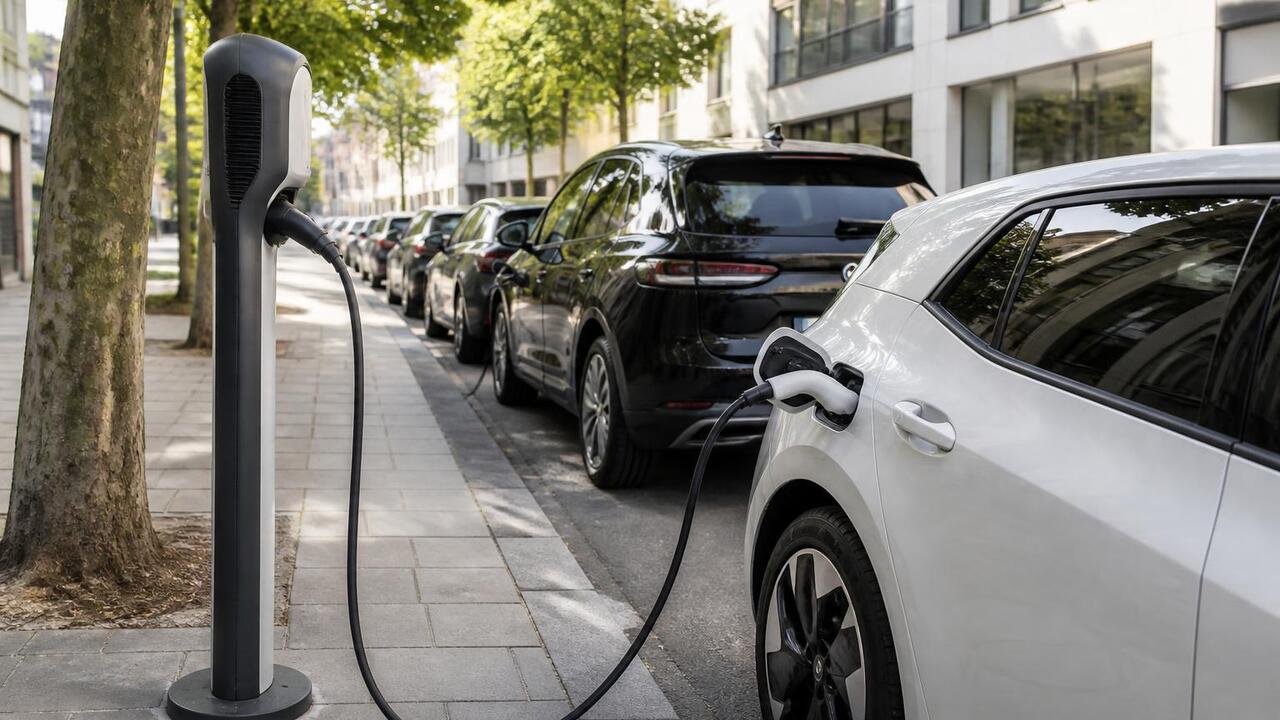
Everything depends on where the car sleeps. If you can charge at home overnight, an EV is easier than petrol — you wake up “full” every day and may visit a public charger a few times a year. If you park on the street with no charger nearby, you’ll plan your week around charging stops, and the shine wears off fast.
Range and batteries, honestly
Most modern EVs cover 300–450 km on a charge — weeks of commuting for most people. Range only really bites on long intercity drives, where fast chargers are growing but still need planning. Battery fear has faded for a reason: 8-year warranties are standard now, and real-world data shows packs ageing far better than early critics predicted.
Who should wait
High-mileage drivers without home charging, people who tow or do frequent long rural trips, and buyers in areas with fragile electricity supply will feel the friction most. For a city driver with a driveway, though, the maths and the daily experience both point the same way — which is why this stays one of the hottest topics in motoring.