
Meta Opens Muse Voice Video Chat to Everyone in the US

Highlights
- Meta opened Muse Voice to everyone in the US
- Users can call and video chat with Meta’s consumer AI agent Muse
- The feature was first shown at Meta Connect in September
- An animated avatar changes expressions and gestures; Muse hears the user but does not see them
Meta opened Muse Voice, which lets users call and video chat with its consumer AI agent Muse, to everyone in the US, according to the TechCrunch report, 5 November 2026. The feature was first shown at Meta’s Connect developer conference in September, the summary said.
An AI with a face
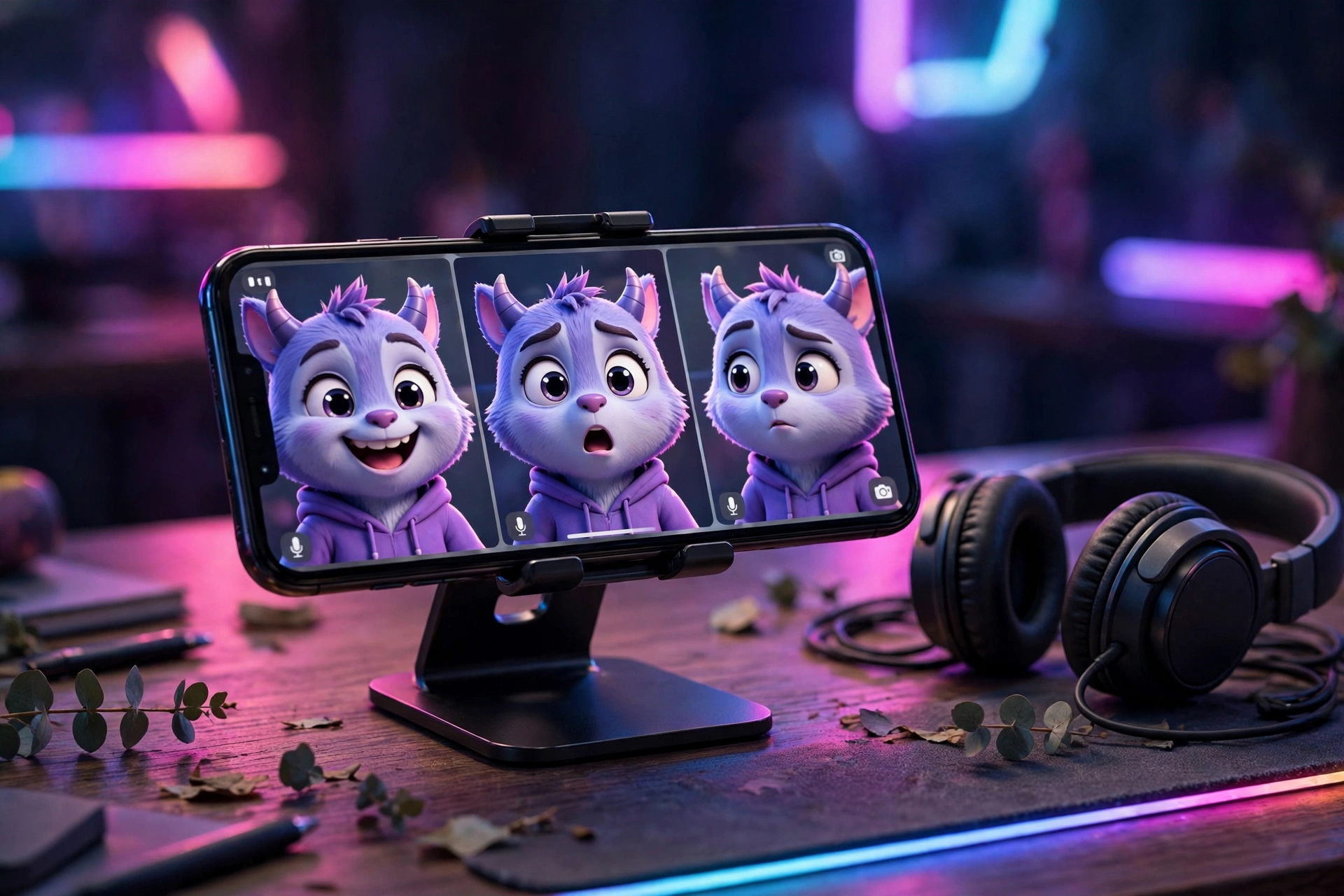
The feature uses an animated avatar nicknamed Jolly that changes its expressions and gestures to match the conversation, and users can restyle it as a person, animal or other character, according to TechCrunch, 5 November 2026. One detail is easy to misread: Muse does not actually see the user; it only hears them, the summary said. The avatar looks attentive, but the conversation is voice-only on the model’s side.
Where it works, and what comes next
Real-time chat works on mobile, web and Mac, and will later come to Meta’s AI glasses and an upcoming device called Muse Charm, according to TechCrunch, 5 November 2026. Because the avatar will appear on the small screen of the Tamagotchi-like Muse Charm device due before year-end, this launch works as a preview of that product, the summary noted. Other companies offer voice chat, but Meta is betting that giving the AI a face makes users feel closer to it.
Meta’s move adds a consumer, character-led entry to a week dominated by enterprise and safety launches, from Tencent’s Hy4 Can See and Use a Computer — but Its Open Weights Are Not Out Yet to the access debates around new AI tools in Google Turns Off Its AI Tools for Schoolchildren by Default.
For users, the honest framing matters: a video chat where only one side is really on camera. If the avatar’s expressions make long voice conversations feel natural, Muse Voice could become the friendliest front door to a consumer AI agent yet — and the glasses and Charm launches will show how far Meta wants to take that idea.
What this means
This launch matters because it changes what an AI assistant is supposed to feel like. Text chat and even voice replies keep the software at arm’s length; a face that reacts with expressions and gestures while it talks is designed to close that distance. TechCrunch reports that Meta believes anthropomorphising Muse this way could make consumers feel more connected to their AI agent — and connection, for a company built on attention, is the product. Muse is also an agent, not just a conversationalist: users interact with the avatar as they ask questions or request tasks to be handled on their behalf. Putting a friendly, customisable face on a task-doing agent is a deliberate step toward people delegating more of their day to it.
The comparison with rivals is about form, not features. Other AI competitors offer voice chat, as TechCrunch notes, but as a disembodied voice. Meta’s differentiator is a persistent character: the default avatar, Jolly, can be restyled as a person, an animal or another character entirely — chief AI officer Alexandr Wang demoed his own Muse as a fluffy white dog. Meta is also extending the same character across surfaces its rivals do not bundle in the same way: mobile, web and Mac today, with AI glasses and the small Muse Charm wearable, due before year-end, to follow. The bet is that the assistant people keep is the one that lives on their face and their desk, not the one with the longest feature list.
For US readers this is not a future announcement — Muse Voice is available to everyone in the United States now, announced on Thursday, so it can be tried in the Muse app today. Two limits are worth knowing before the first call: Muse hears you but does not see you, so its reactions come from the conversation, not your camera; and the experience is currently US-only, so contacts abroad cannot join you on it yet. What to watch is whether the novelty survives contact with daily use — whether people keep video-chatting with an avatar once the Charm device and glasses support arrive, or whether voice alone turns out to be enough.
The choice between a voice and a face is also a choice about expectations. A disembodied voice invites a transactional habit: ask a question, get an answer, and move on. An animated character that changes expression and gesture during the conversation invites a longer, more social habit, in which the user explains context, reacts to the avatar, and treats follow-up questions as part of a continuing exchange. That can make an agent feel easier to brief on a task it will handle on the user’s behalf, because the conversation itself feels less like filling in a form. It can also blur a useful boundary. Jolly looks attentive, but TechCrunch’s reporting is clear that Muse only hears the user; it does not see them. Readers who remember that distinction will get the benefit of a more natural voice conversation without mistaking performed attention for actual perception.
Customisation cuts both ways in that same test. Restyling the avatar as a person, an animal or another character lets each user choose how formal or playful the assistant feels, and a familiar character carried across mobile, web and Mac could make the agent easier to return to than a generic voice that restarts the relationship on every device. The planned move to AI glasses and the small Muse Charm device raises the stakes further: a character designed for a phone call becomes a presence the user wears or keeps nearby. For US users trying the feature now, the practical question is therefore not whether the first call is impressive, but whether the same avatar still feels helpful after routine requests, interruptions and misunderstandings. Meta’s bet will look right if people keep choosing the face for everyday tasks, not only for a novelty video chat in the first week.
Read Next
- Tencent’s Hy4 Can See and Use a Computer — but Its Open Weights Are Not Out Yet
- Google Turns Off Its AI Tools for Schoolchildren by Default
Sources