AI Myths and Scams: What to Believe and What to Avoid
AI is not conscious and not unbiased — but voice-clone family emergency scams are real. The FTC’s guidance, the payment red flags, and a verification habit that beats both myths and fraud.
Artificial intelligence attracts two kinds of nonsense at once. The first is fantasy: claims that today’s AI is conscious, all-knowing or about to replace every job by next year. The second is fraud: criminals using real AI tools — voice cloning, generated images, fluent phishing text — to make old scams far more convincing. Both kinds cost you if you believe them, one in bad decisions and the other in money. This guide separates what to believe from what to avoid, as part of our plain-English guide to how modern AI works.
Highlights
- Myth: AI is conscious. Google Cloud is direct: AI systems can simulate emotions but do not possess consciousness, self-awareness or genuine feelings.
- Myth: AI is unbiased. A model learns the patterns in its data — if the data reflects human biases, the AI will learn and repeat them.
- Real danger: voice-clone family emergency scams. The US FTC warns a scammer needs only a short audio clip of a loved one’s voice, which could come from content posted online, plus a voice-cloning program.
- The defence is a habit, not an app: don’t trust the voice — hang up, call the person on a number you know is theirs, and verify the story independently.
Three myths to retire first
“AI is conscious and has feelings.” In its myth-versus-reality explainer, Google Cloud states plainly that AI systems can process and even simulate emotions, but they do not possess consciousness, self-awareness or genuine feelings — they are complex pattern-matching machines. A chatbot that writes “I understand how you feel” is producing the statistically appropriate sentence, not reporting an inner state. Believing otherwise leads people to trust AI companions with decisions and disclosures they would never give a piece of software. “AI is always objective.” The same Google Cloud guide gives the reality: AI is only as good as the data it is trained on, and if the data reflects human biases, the AI will learn and perpetuate them. That is exactly what you would expect once you understand how AI learns from training data — the model absorbs the pattern it is shown, including the unfair parts. “AI will take every job.” Google Cloud’s assessment is more measured: while AI will automate many tasks, it is more likely to augment human capabilities, freeing people for more creative, strategic and empathetic work. Tasks change first; whole jobs change slower and unevenly. Treat any headline promising total replacement — or total safety — by a specific date as marketing, not analysis.

The scam that matters most: the cloned-voice family emergency
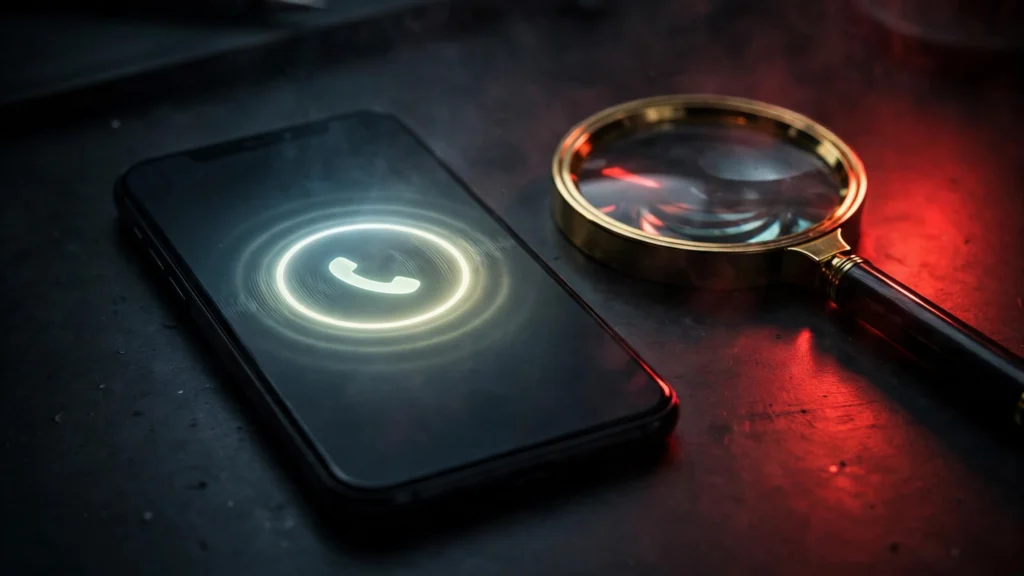
The US Federal Trade Commission’s consumer alert, “Scammers use AI to enhance their family emergency schemes”, describes the setup with uncomfortable clarity. You get a call. A panicked voice says it is your grandchild, or your son, or your sister — they have crashed the car, or been arrested, and they need money now. It sounds exactly like them, because the scammer used AI to clone their voice. The FTC explains that all the scammer needs is a short audio clip of your family member’s voice — which he could get from content posted online — and a voice-cloning program; when he calls, he will sound just like your loved one. Voice notes, social videos, even a voicemail greeting can supply the raw material. The script then adds the classic pressure ingredients: an emergency, a plea for secrecy, and a payment demand designed to be hard to reverse.
The FTC’s counter-advice is short enough to memorise, and it works precisely because it does not depend on detecting the fake. Don’t trust the voice. Call the person who supposedly contacted you and verify the story, using a phone number you know is theirs. If you cannot reach your loved one, try to get in touch through another family member or their friends. A genuine emergency survives a five-minute verification; a scam usually collapses under one, because the scammer needs speed and isolation. Families can add one more layer the FTC’s guidance points toward: agree a code word in advance — a word a real family member in trouble can say to prove it is them, and that no voice clip posted online could reveal.

The payment red flags, and the other AI scams around them
The FTC flags the payment request as the loudest alarm: scammers ask you to pay or send money in ways that make it hard to get your money back — if the caller says to wire money, send cryptocurrency, or buy gift cards and hand over the card numbers and PINs, those could be signs of a scam. No genuine emergency service, police officer or family member needs paying by gift card. The same AI toolkit powers neighbouring frauds worth recognising. Generated text makes phishing emails and messages flawless, removing the spelling errors people were taught to spot. Generated images and video can fake a boss, a celebrity endorsement or an investment guru. And fluent chatbots let one scammer run “support” or “romance” conversations with hundreds of people at once. In each case the defence rhymes with the FTC’s: slow down, verify through a channel you chose — the number on your bank card, the official app, a call you initiate — and treat urgency itself as evidence. If you spot a scam, the FTC asks you to report it at ReportFraud.ftc.gov, because reports are how these schemes get mapped and shut down. Our AI terms glossary can also help you decode the jargon scammers hide behind, and our guide to AI agents versus chatbots explains why an “agent” offering to trade or invest for you deserves extra suspicion, not extra trust.
A short belief checklist
Believe: AI is a powerful pattern system that drafts, summarises, recognises and predicts — and that can be wrong, biased and confidently fluent while being wrong. Believe that a familiar voice, face or writing style is no longer proof of identity on its own. Believe that a short clip of your voice online is enough raw material for a clone, so think before posting audio publicly. Avoid: any product claiming its AI is conscious, infallible or guaranteed to make you money; any caller creating an emergency that cannot survive you hanging up and calling back; any payment by wire, crypto or gift card requested under pressure. Avoid, too, the opposite trap of dismissing all AI as a scam — the technology underneath the hype is real and useful, as the rest of this series shows. The skill is not cynicism or faith. It is verification.
What this means
The myths and the scams feed each other, and seeing that connection is what protects you. Because people half-believe AI is magical, a cloned voice feels impossible to fake and therefore real; because scammers exploit that awe, the fear grows that AI can do anything, including things it cannot. Breaking the loop starts with the accurate picture: today’s AI is narrow, pattern-based and fallible — impressive at imitating surfaces like voice and prose, incapable of consciousness, and completely unable to make an unverifiable payment demand legitimate. For families, the practical output of this article should be two small actions taken today, not someday: agree a code word, and agree that any money emergency gets verified by a call-back on a known number, no exceptions for panic. For everyone, the habit generalises beyond scams — check the AI answer before you act on it, check the caller before you pay them, check the claim before you share it. AI will keep getting better at sounding real. Verification is the one advantage that does not expire, because it does not depend on spotting the fake; it depends on refusing to skip the step the scammer needs you to skip. Teach it to your parents and your children as well: a scam that fails once, in one household, because one person calmly hung up and called back, is a scam that earns the criminal nothing — and scams, unlike myths, die quickly when they stop paying.
One more thing is worth doing while this is fresh: tell somebody. The code word only works if the family agrees it before a frightening call arrives, and the call-back habit only protects the relative who knows it exists. The same goes for the myth side of this article — the next time a headline tells you an AI has become conscious, or a stranger’s message tells you a loved one is in trouble, the pause to ask “how would I check that?” is the whole defence. It takes ten seconds, and it is the one upgrade no scammer can patch.
Read Next
- How Does AI Learn? Training, Data and Models Explained Simply
- AI Terms Glossary: Tokens, Prompts, RAG, Hallucinations and More, Explained
Sources
- US Federal Trade Commission — Scammers Use AI to Enhance Their Family Emergency Schemes (accessed 6 November 2026)
- Google Cloud — What Is Artificial Intelligence (AI)?, including its AI myth versus reality section (accessed 6 November 2026)