AI Business FAQs: Training Data Deals, Cloud Partnerships and Who Pays for the Computers
Who pays for AI's training data, its cloud partnerships and its computers? Plain-English answers on licensing deals, cloud swaps, Stargate, and the enterprise revenue loop that repays it all.

Two bills sit underneath every AI chatbot — one for the words it learned from, and one for the computers it runs on.
Key points
- Training data deals buy two rights: training on a publisher’s content, and attributed summaries in answers.
- Cloud partnerships swap investment and distribution for chips and data centres.
- Computers are paid for in layers: owners build them, labs reserve them, customers repay them.
If the business side of AI leaves you quietly confused, you are not alone. Billion-dollar deal headlines arrive every few months, yet nobody explains who pays whom, or why. It answers the three questions readers ask most — what a training data deal buys, what a cloud partnership gives each company, and who pays for the computers — building on our pillar guide to how AI companies make money.
A training data deal is really two licences in one
Training rights and display rights sell together, but are not the same thing.
Take the partnership OpenAI and Axel Springer announced. It gives ChatGPT users summaries of news from brands including POLITICO, BUSINESS INSIDER, BILD and WELT — including paid content — with attribution and links to the full articles. Separately, it allows content from those brands to advance the training of OpenAI’s large language models, and supports the publisher’s own AI ventures on OpenAI technology.
That split explains most of the confusion. Training is one transaction: the archive goes into the model, and the model keeps what it learned. Display is ongoing: every answer that summarises a story and links back is the deal working in public. The announcement publishes no price, and that is typical: the payment — cash, technology access or a mix — stays private. Dollar figures in headlines come from reporting about contracts, not from the companies.
Cloud partnerships trade money for machines and customers
The provider funds the lab; the lab’s models sell the cloud.
The Microsoft–OpenAI partnership is the template. In January 2023 came the third phase: a multiyear, multibillion-dollar investment — no exact figure given — following investments in 2019 and 2021. Azure became OpenAI’s exclusive cloud provider at that time, powering all its workloads across research, products and API services. Microsoft also gained the models, including for the Azure OpenAI Service.
Anthropic and Amazon follow the same shape, different chips. Amazon first agreed to invest up to $4 billion for a minority stake, with AWS becoming Anthropic’s primary cloud provider, supplying Trainium and Inferentia chips. In November 2024 Amazon added a new $4 billion investment — $8 billion in total — and AWS became Anthropic’s primary cloud and training partner. In exchange, Claude reaches AWS customers through Amazon Bedrock.
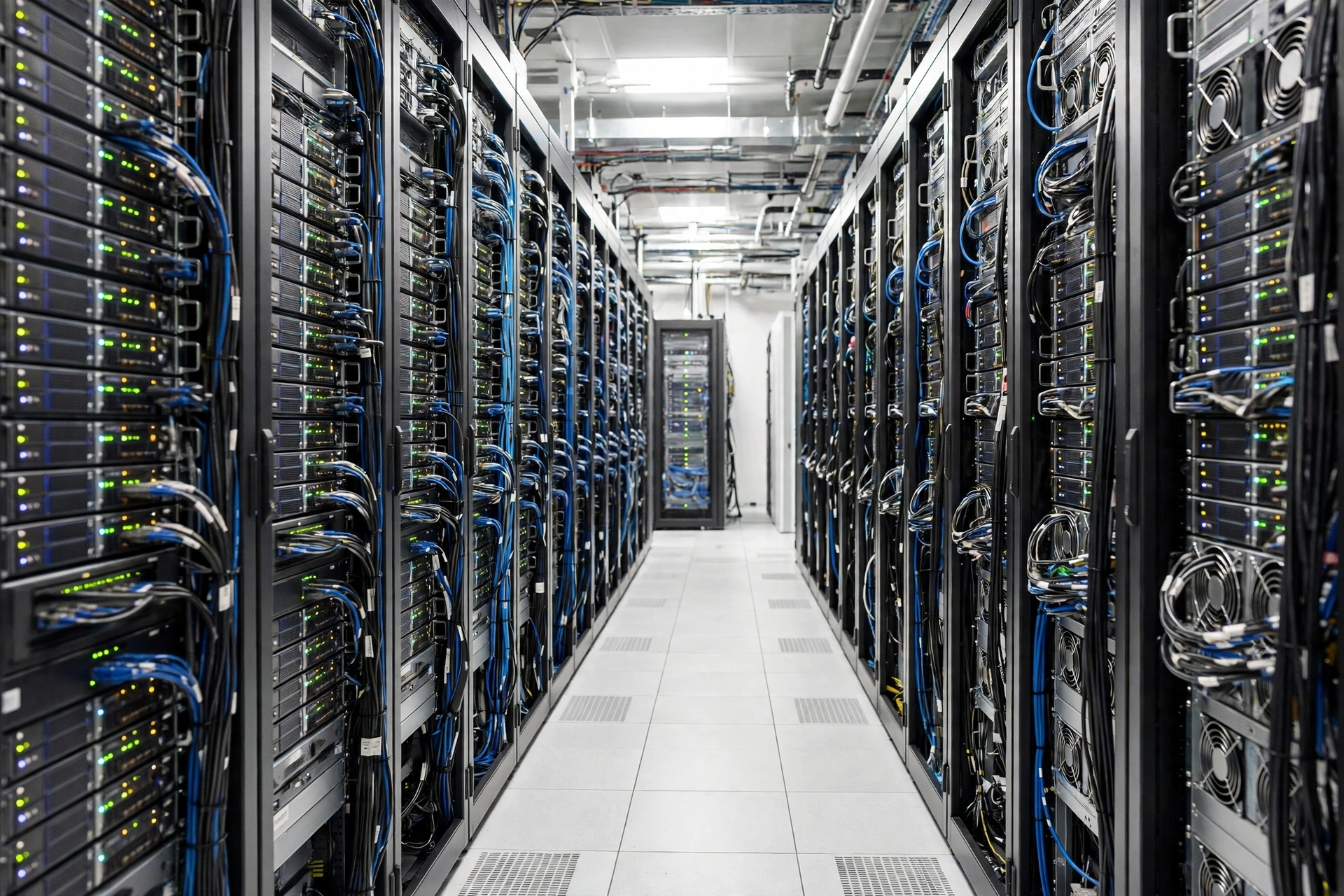
In October 2025 Anthropic expanded its use of Google Cloud to include up to one million TPUs, in a deal described as worth tens of billions of dollars, bringing well over a gigawatt of capacity online in 2026. It describes a diversified strategy across three chip platforms — Google’s TPUs, Amazon’s Trainium and NVIDIA’s GPUs — with Amazon still its primary training partner. The pattern: the cloud company is investor, chip supplier and sales channel in one contract.
Who pays for the computers has three answers, not one
Owners pay to build, labs pay to reserve, customers pay to use.
The biggest number in AI is a building programme: Stargate, a new company OpenAI announced, which intends to invest $500 billion over four years building AI infrastructure in the United States, beginning with $100 billion immediately. Intends — a commitment, not a receipt. The initial equity funders are SoftBank, OpenAI, Oracle and MGX — SoftBank holding financial responsibility, OpenAI operational responsibility — with Arm, Microsoft, NVIDIA and Oracle as technology partners.
| Layer | Who pays first | How the money comes back |
|---|---|---|
| Buildings and chips | Cloud providers and investors, such as the Stargate funders | Long-term commitments from AI labs |
| Training and running models | The AI lab, through cloud bills and capacity deals | Subscriptions, API usage and enterprise contracts |
| Everyday use | Businesses and subscribers | Nothing — this layer repays the earlier ones |
Why sign years of bills before knowing how many customers will come? Because capacity is the bottleneck. Anthropic’s Google deal was demand-driven: more than 300,000 business customers, with large accounts up nearly sevenfold in a year. Wait for customers first, and there may be no computers left. In our view, that is the real gamble: not whether the model works, but whether demand arrives in time to pay for the machines.
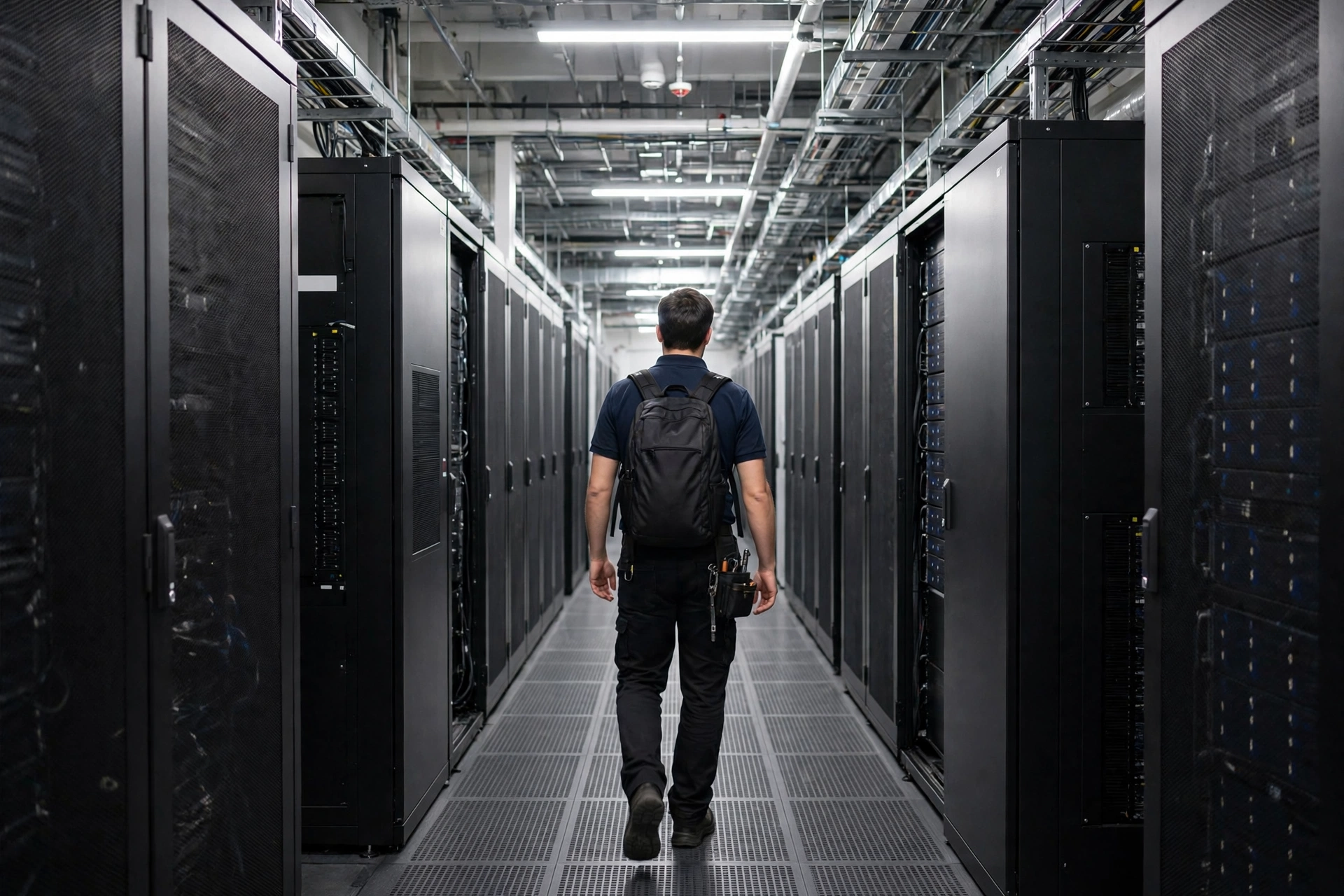
Enterprise revenue is the loop that closes the circle
Subscriptions and API bills are how a mountain of compute becomes a business.
Follow one enterprise payment. A business pays for governed access to a model (see our guide to enterprise AI deals). Part stays with the lab; part flows back to the cloud provider that ran the work. Developers add a second stream, paying per token through the API meter. And when the cloud provider is also an investor in the lab, as Microsoft is in OpenAI and Amazon is in Anthropic, money circles: investment in one door, cloud spending back through another.
That circle is not free money; it is risk-sharing. The provider bets its capital that the lab’s models keep its data centres full; the lab bets future revenue that customers keep paying. While demand grows, each side’s spending is the other side’s income.
What this means
The deals look circular because they are — and that is the point, not a scandal.
Take a headline like “Amazon invests billions in Anthropic” and then “Anthropic will spend billions on Amazon’s cloud,” and think — wait, is that the same money in a circle? — and you have understood the structure. It can feel like a shell game. It is not, quite — but your instinct points at something real.
Think of a farmer and a mill. The mill owner lends the farmer money to plant a much bigger crop, on the understanding that the harvest returns to that mill for processing, for a fee. The loan is real money, genuinely at risk — crops fail. So are the fees. Neither side invented the numbers; their futures are now tied together. That is Microsoft with OpenAI, and Amazon with Anthropic — and Anthropic hedging with Google’s TPUs, the farmer making sure a second mill exists.
For you, as a customer or small business owner, the meaning is simpler than the billions suggest. Your subscription or API bill is not paying for software alone. It pays, in slices, for a publisher’s archive, a chip that took years to design, and a data centre built before anyone knew you would show up. It is also why prices can fall while costs stay enormous: a standing building is cheaper to fill than leave idle.
Our honest view: the loop is healthy right up until it isn’t. While real customers — Anthropic’s 300,000-plus businesses, the tens of thousands on Bedrock — keep paying, the circle efficiently funds very expensive machines. Worry when announcements keep growing but paying customers stop. Until then, ask three questions of any headline: who put money in, who promised to spend it, and who sells the result? Usually the same companies, wearing different hats.
Bottom line
Follow any AI dollar far enough and it visits the same companies twice.
Training data deals pay publishers for two rights — training and display — at prices companies keep private. Cloud partnerships swap investment for compute, chips and distribution. The computers are paid for in layers: investors build them, labs reserve them, and we repay it through subscriptions and API bills.
Frequently Asked Questions
Questions the main sections leave open.
Are AI cloud credits the same as cash?
No, cloud credits are not the same as cash. Credits are spending power inside one provider’s cloud: they buy that provider’s computing time and storage, but cannot pay salaries or buy a rival’s chips. A credit-heavy deal still leaves a lab needing cash for everything else.
Do publishers get paid every time a chatbot quotes their story?
No, publishers are not paid a fee each time a chatbot mentions their work. The payment sits in the partnership itself, agreed when the deal is signed. Under the Axel Springer partnership, ChatGPT shows attributed summaries with links to the full articles, and the announcement describes no per-quote payment.
Can a small business sign the same kind of cloud deal as Anthropic?
No, a small business cannot sign a partnership of that kind or scale. Those agreements are negotiated between a cloud provider and a frontier AI lab. A small business buys the result — Claude through Amazon Bedrock, or OpenAI models through Azure OpenAI Service — paying per seat or per use.
Does an AI company own the data centres its models run in?
No, an AI company usually does not own the buildings its models run in. Anthropic trains and runs Claude on Amazon’s and Google’s infrastructure, while Stargate is a company funded by SoftBank, OpenAI, Oracle and MGX — OpenAI runs it rather than owning it. Owning a model and owning its data centre are different businesses.
{“@context”:”https://schema.org”,”@type”:”FAQPage”,”mainEntity”:[{“@type”:”Question”,”name”:”Are AI cloud credits the same as cash?”,”acceptedAnswer”:{“@type”:”Answer”,”text”:”No, cloud credits are not the same as cash. Credits are spending power inside one provider’s cloud: they buy that provider’s computing time and storage, but cannot pay salaries or buy a rival’s chips. A credit-heavy deal still leaves a lab needing cash for everything else.”}},{“@type”:”Question”,”name”:”Do publishers get paid every time a chatbot quotes their story?”,”acceptedAnswer”:{“@type”:”Answer”,”text”:”No, publishers are not paid a fee each time a chatbot mentions their work. The payment sits in the partnership itself, agreed when the deal is signed. Under the Axel Springer partnership, ChatGPT shows attributed summaries with links to the full articles, and the announcement describes no per-quote payment.”}},{“@type”:”Question”,”name”:”Can a small business sign the same kind of cloud deal as Anthropic?”,”acceptedAnswer”:{“@type”:”Answer”,”text”:”No, a small business cannot sign a partnership of that kind or scale. Those agreements are negotiated between a cloud provider and a frontier AI lab. A small business buys the result — Claude through Amazon Bedrock, or OpenAI models through Azure OpenAI Service — paying per seat or per use.”}},{“@type”:”Question”,”name”:”Does an AI company own the data centres its models run in?”,”acceptedAnswer”:{“@type”:”Answer”,”text”:”No, an AI company usually does not own the buildings its models run in. Anthropic trains and runs Claude on Amazon’s and Google’s infrastructure, while Stargate is a company funded by SoftBank, OpenAI, Oracle and MGX — OpenAI runs it rather than owning it. Owning a model and owning its data centre are different businesses.”}}]}
Related Guides
The rest of the money trail.
- How AI Companies Make Money, Explained
- AI API Pricing Explained: Tokens, Tiers and What You Actually Pay
- Free AI Tiers Explained: Why Companies Give Models Away
- AI Pricing Mistakes Small Teams Make
Sources
The official announcements behind the claims.