
Highlights
- Ramayana: Part 1 has reportedly crossed Rs 20.50 crore ($2.15 million) in worldwide advance gross on about 2.25 lakh tickets, nine days before its November 5 worldwide release, with paid previews on November 4
- India-only tracking by Films Discourse counted 2.16 lakh tickets across 161 cities by October 26 — Rs 12.50 crore gross for the opening weekend, or Rs 23.28 crore including blocked seats
- North America previews have crossed $550,000; India’s opening-day advance has crossed $1.20 million and overseas opening-day bookings $400,000
- Premium pricing is steep: an evening IMAX recliner at PVR ICON, Phoenix Palladium, Mumbai is listed at Rs 3,170, and Delhi-NCR IMAX 3D recliners run from Rs 1,550 to Rs 2,400
The headline number — and why it comes with two versions
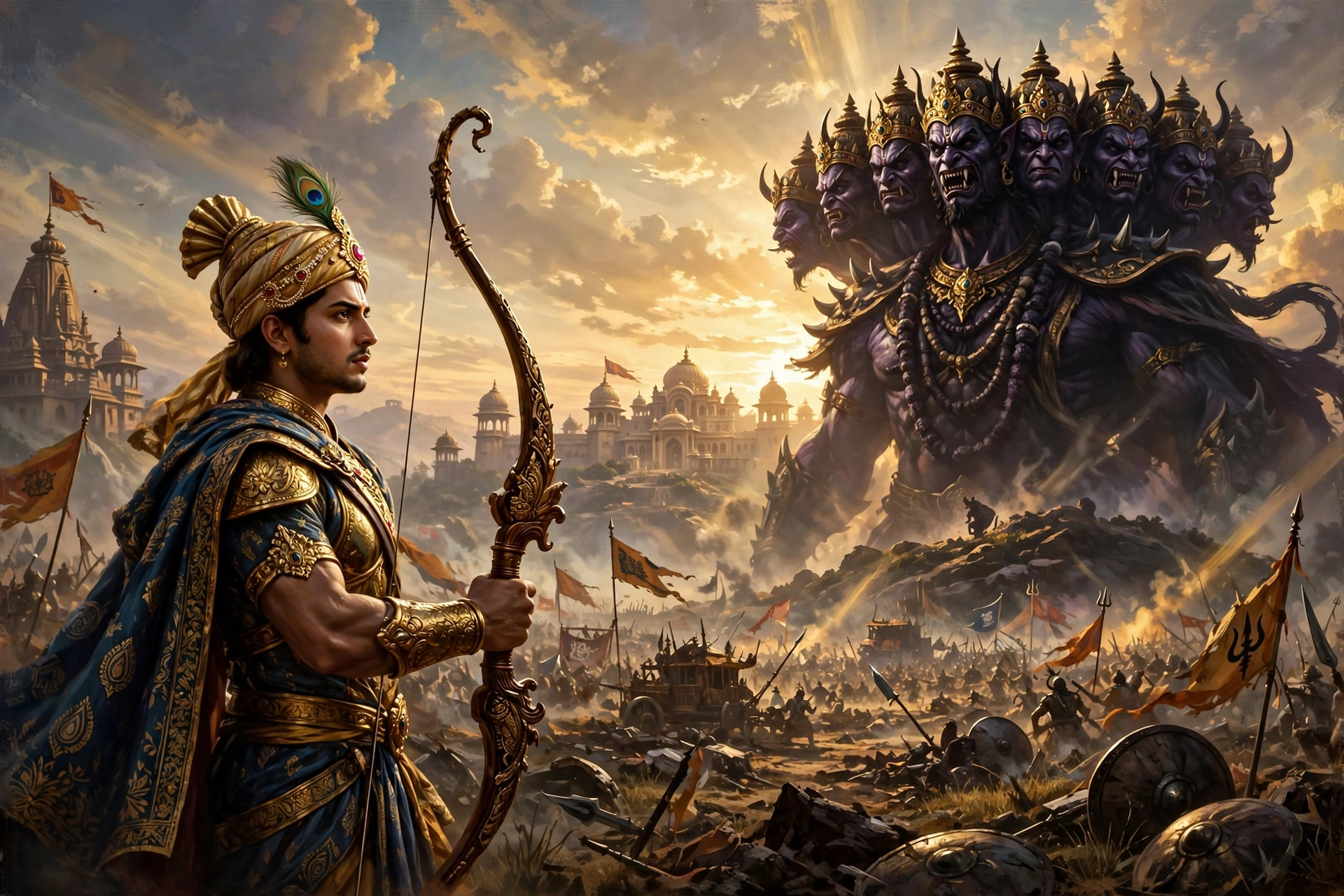
The film is Ramayana: Part 1, directed by Nitesh Tiwari and produced by Namit Malhotra, starring Ranbir Kapoor as Lord Ram, Sai Pallavi as Sita, Yash as Ravana and Sunny Deol as Hanuman, scheduled for a worldwide theatrical release on November 5, 2026, with paid preview screenings on November 4 (The Economic Times).
The worldwide figure: the film has reportedly generated around Rs 20.50 crore in worldwide advance gross bookings, with approximately 2.25 lakh tickets sold across India and tracked international markets, including bookings for the November 4 previews and the November 5 opening day (The Economic Times; Sacnilk).
The India-only figure, from a different tracker, counts differently. According to figures tracked by Films Discourse on October 26, the film sold approximately 2.16 lakh tickets across 161 cities in India, generating an estimated gross of Rs 12.50 crore in advance bookings for the opening weekend; excluding blocked seats, the net collection is estimated at Rs 10.57 crore, while including blocked seats the gross stands at Rs 23.28 crore (The Times of India). These are different measurements — worldwide gross including previews versus India-only tracked sales with and without blocked seats — and both will keep moving as more shows open for booking.
Where the tickets are selling
Within India, the Hindi version dominates: 1,84,010 Hindi tickets have been sold, generating an estimated Rs 10.98 crore (The Times of India). Maharashtra is the leading state in the Films Discourse figures, with 46,937 tickets and an estimated Rs 3.20 crore, and Mumbai tops the city list in that dataset with 27,959 tickets and about Rs 2.07 crore (The Times of India).
A second dataset, attributed to Sacnilk, ranks the cities differently: Delhi-NCR leads the reported city-wise collections with Rs 2.13 crore from 27,141 tickets, Mumbai follows with Rs 1.60 crore from 22,836 tickets, Bengaluru has collected Rs 1.20 crore from 18,088 tickets with bookings reportedly surging 172% from the previous day, Hyderabad has earned Rs 61.97 lakh from 16,671 tickets, and Pune Rs 45.57 lakh from 6,434 tickets (The Economic Times). The disagreement is a timing and coverage difference between trackers, not a contradiction in the trend: every dataset agrees the advance is large and still climbing.
Overseas, North America has emerged as the key market, with preview bookings above $550,000; India’s opening-day advance gross has crossed $1.20 million, overseas opening-day bookings exceed $400,000, and the combined opening-day figure excluding previews is above $1.60 million, with the UK, Australia and several European territories also contributing (The Economic Times; Sacnilk).
The Rs 3,170 recliner: premium pricing is part of the story
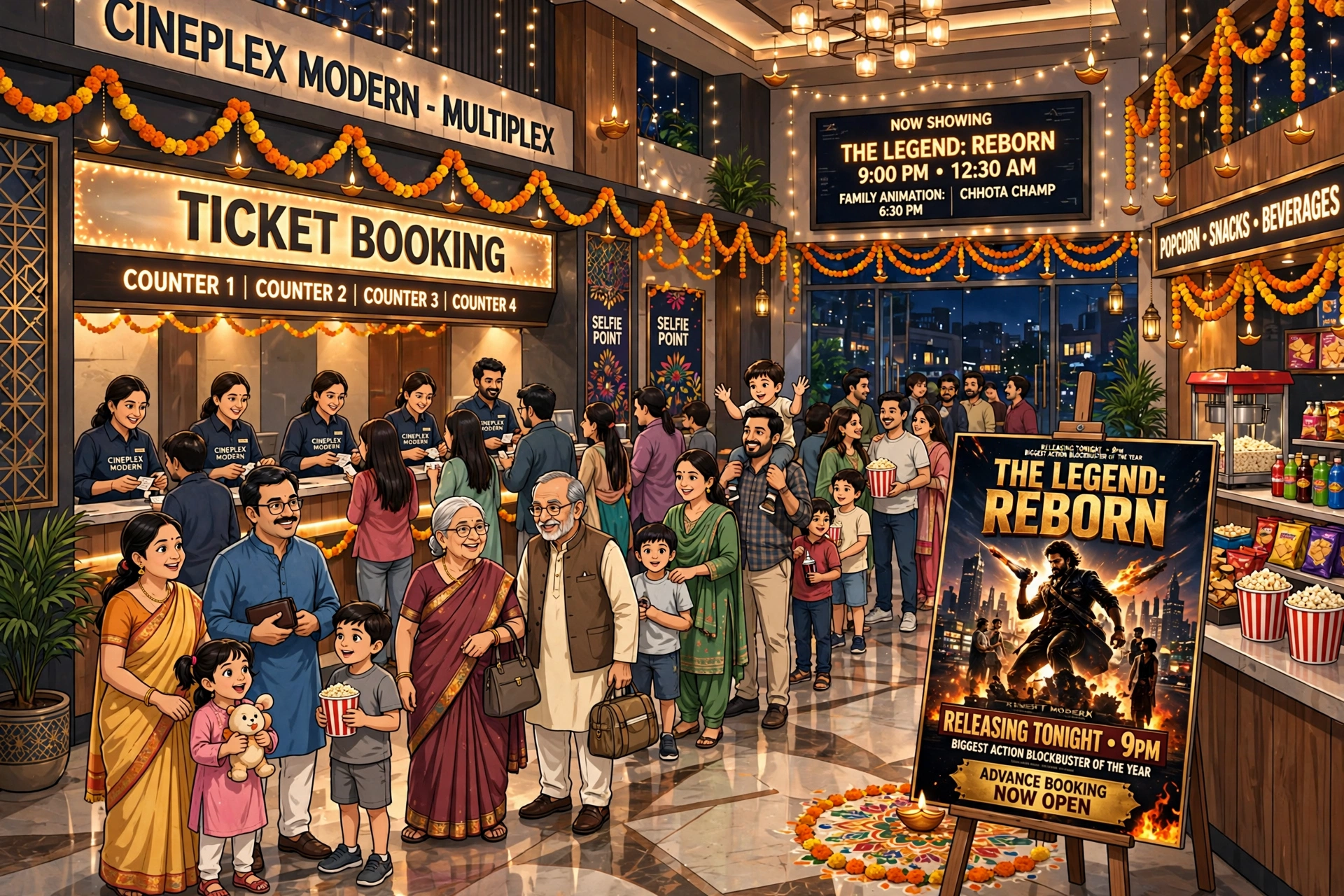
Ticket prices for selected premium screenings have drawn attention of their own. At PVR ICON, Phoenix Palladium in Mumbai’s Lower Parel, recliner tickets for the 7 a.m. show are priced at Rs 1,850, the matinee at Rs 2,570, the evening show at Rs 3,170, and the 11 p.m. screening at Rs 2,770 (The Economic Times). In Delhi-NCR, recliner tickets for select IMAX 3D shows are priced between Rs 1,550 and Rs 2,400 (The Economic Times). These are premium-format prices for specific shows, not standard rates across all cinemas, and they may change as release approaches (The Economic Times).

What the advance actually tells us
First, this is a genuine event-film signal, not opening-day noise. Crossings of Rs 20 crore in worldwide pre-sales nine days out — with the heaviest booking days, the final 72 hours, still to come — place Ramayana in the small club of Indian releases whose openings are driven by advance demand rather than walk-ins. The North America preview number matters most for the trade: paid previews a day before release are a diaspora-market habit, and $550,000 there suggests the film travels.
Second, read every advance figure with its tracker attached. India has no single official box-office ledger, and this story proves it: one tracker puts India at 2.16 lakh tickets and Rs 23.28 crore with blocked seats, another ranks Delhi-NCR above Mumbai on collections, and the worldwide tally uses a different window again. The direction is consistent — big, and growing — but any single number quoted without its source and its inclusions should be treated as an estimate, not a fact.
Third, the pricing is a bet on the premium audience. When an evening recliner costs Rs 3,170 and still sells, exhibitors are pricing Ramayana as a spectacle to be experienced in the best hall available, not a film to be caught cheaply later. Whether that bet survives word-of-mouth after November 5 is the only question the advance cannot answer — but on the evidence of the first nine days, audiences have already decided this is the big-screen event of the season.